

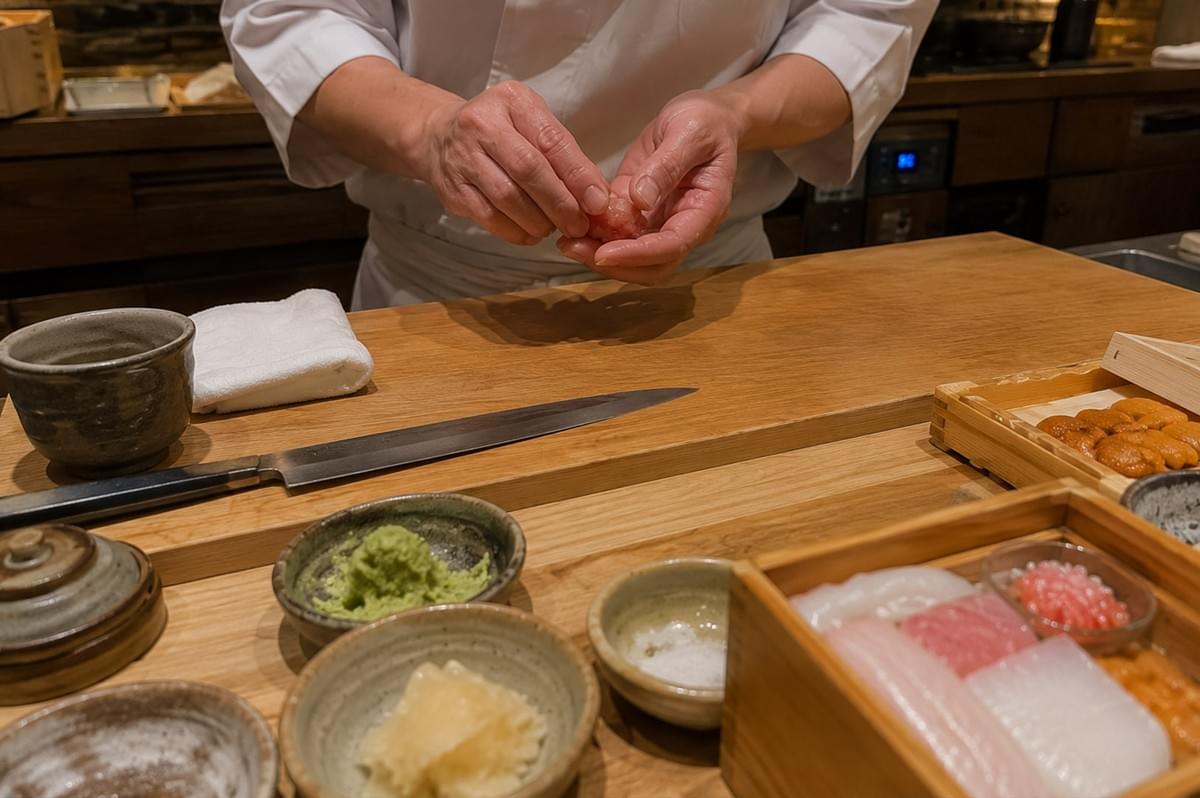
When I look back at my early years as a chef, I remember the long hours, the pressure, and the desire to prove myself. Like many young chefs, I believed that becoming better meant doing more, moving faster, and showing everyone that I had the skills to create something impressive.
But the biggest mistake I made early in my career was thinking that cooking was only about technique.
I spent many years focusing on precision, speed, and presentation. I wanted every knife cut to be perfect, every plate to look refined, and every dish to show my ability. These things are important, but I eventually learned that great cooking begins with understanding, not performance.
A chef is not only someone who prepares food. A chef is someone who understands ingredients, respects tradition, and creates an experience for the person eating the dish.
In my younger days, I sometimes became too focused on my own standards. I was chasing perfection without always asking the most important question: Does this dish connect with the guest?
That question changed the way I approached cooking.
Over time, I learned that every ingredient has its own story. A piece of fish, a seasonal vegetable, or even a simple bowl of rice carries the work of farmers, fishermen, and producers. When we cook, we are not just transforming ingredients. We are continuing a journey that started long before the kitchen.
This mindset is something I believe every chef in Singapore can appreciate. Our food culture is built on diversity, from hawker traditions to modern Japanese cuisine, and every dish has meaning behind it. Respecting the ingredient and the people who produce it is what creates something memorable.
I also learned that mistakes are not failures when we are willing to reflect on them. Early mistakes teach us humility. They remind us that there is always more to learn, regardless of experience or recognition.
For home cooks, this lesson is equally important. Many people feel pressured to create restaurant-quality dishes immediately. They worry about using the perfect equipment or mastering complicated techniques. But cooking at home should begin with curiosity and patience.
A simple dish made with care can often leave a stronger impression than something complicated without purpose.
Today, when I create a menu or develop a recipe, I think about balance. I consider the ingredient, the season, the emotions behind the dish, and the memories it can create. Technique supports the idea, but it should never replace it.
The philosophy of respecting ingredients and staying connected to the origins of food is something shared by many chefs around the world. Resources like the principles of Japanese cuisine discussed by show how deeply seasonality and simplicity are rooted in Japanese cooking.
The mistake I made early in my career helped shape the chef I am today. I learned that cooking is not about proving how much we know. It is about sharing something meaningful with others.
Every plate should carry intention. Every ingredient should have a reason. Every meal should create a connection.
For me, that journey continues with the belief that simplicity, respect, and patience are the foundations of lasting cooking. This philosophy is also reflected in my approach to traditional Japanese dishes, where every detail matters and every ingredient has a purpose.
Read more about this approach through The Ingredients I Never Compromise On, where I share the importance of choosing ingredients with care and respect.
