

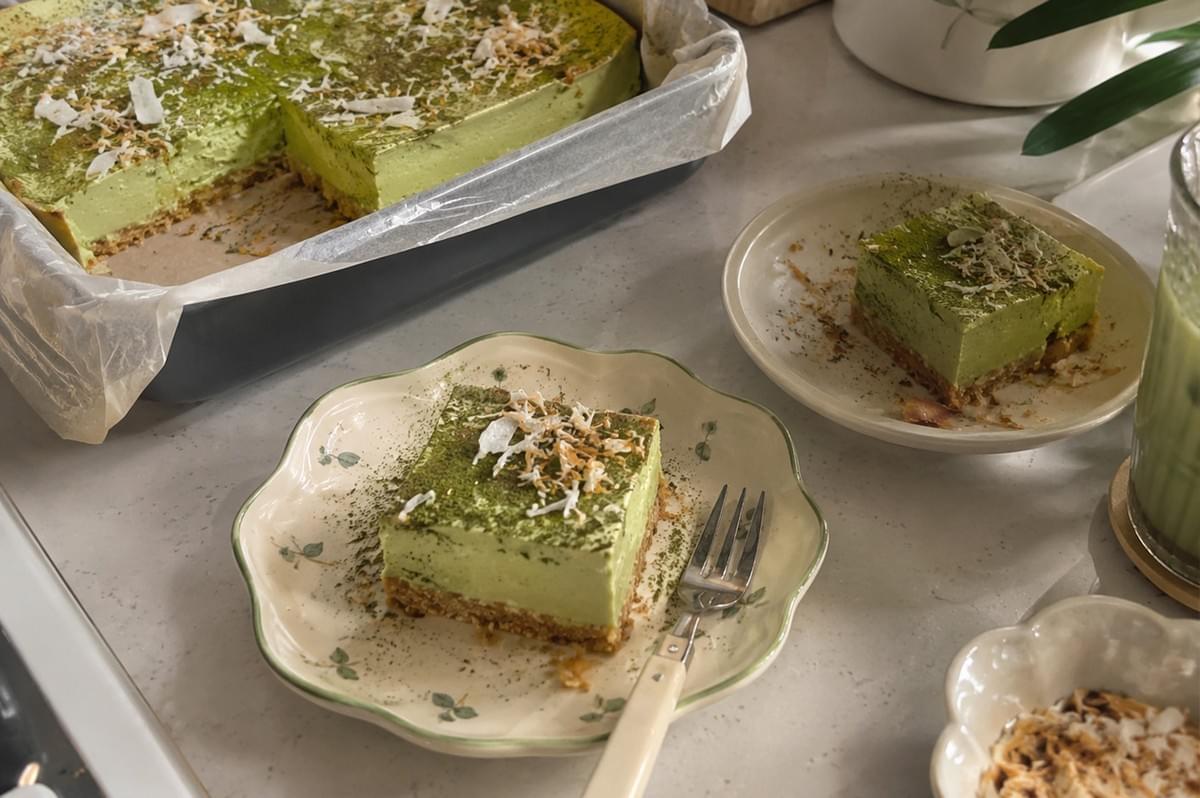
Sensory Opening Scene
The first bite begins with a quiet contrast. The creamy cheesecake melts slowly across the palate, followed by the gentle bitterness of premium Japanese matcha and the familiar sweetness of pandan that reminds many Singaporeans of childhood desserts and weekend gatherings.
In the kitchen, the aroma arrives before the dessert does. Fresh pandan leaves release their grassy, vanilla-like fragrance as they are blended into the cheesecake filling, while matcha brings a deeper green tea character with subtle roasted notes. The buttery biscuit base adds warmth and texture, creating a dessert that feels both nostalgic and modern.
For me, a great brunch dish is not only about being beautiful on the table. It should create a moment. These Pandan Matcha Cheesecake Bars were created for slow mornings, shared conversations, and the simple joy of enjoying something handmade with coffee or tea.
This recipe combines two cultures I admire deeply: the refined balance of Japanese pastry techniques and the comforting flavours found throughout Singapore’s local desserts.
The Origin
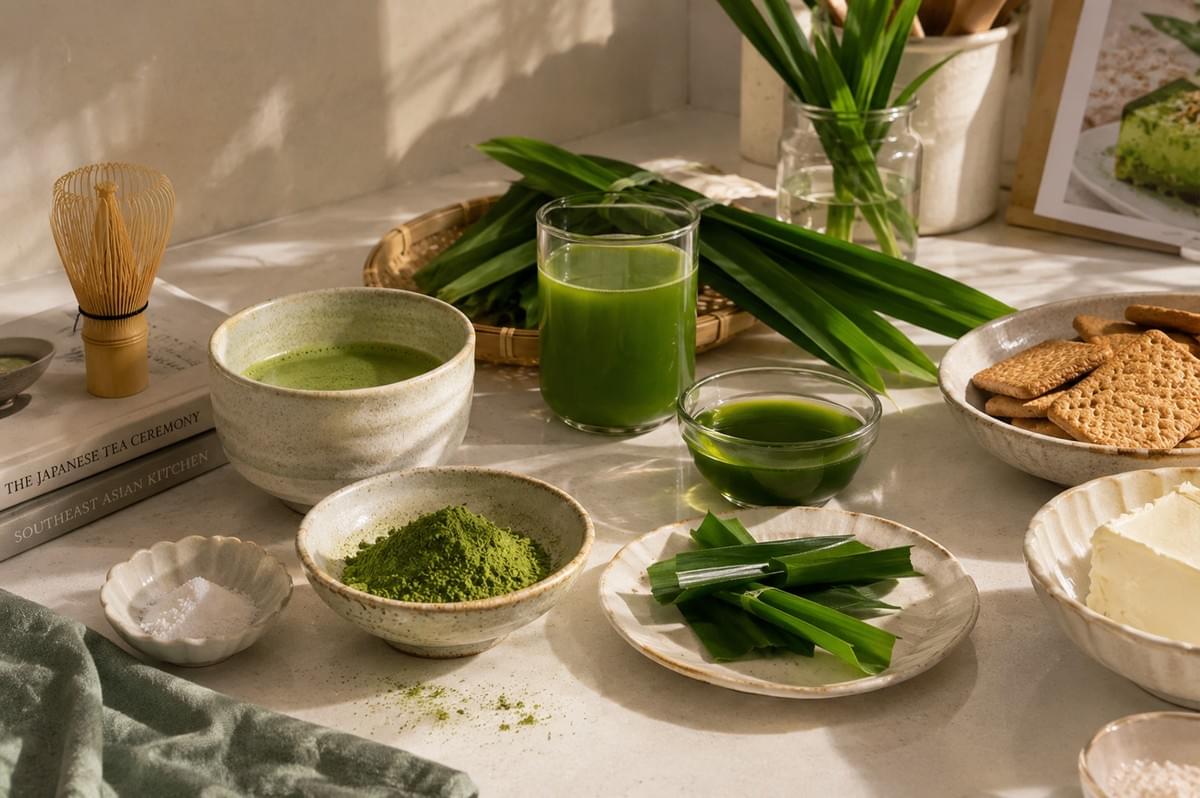
I have always believed that some of the most exciting dishes come from familiar flavours meeting in unexpected ways. During my recipe development sessions, I often explore how Japanese ingredients can connect with Southeast Asian memories.
Matcha has always been an ingredient that represents precision. In Japanese cuisine, it carries a sense of ceremony, patience, and appreciation for small details. Pandan, on the other hand, represents comfort. It is found in kaya toast, cakes, rice dishes, and traditional sweets across Singapore.
The idea behind these cheesecake bars was to create something that feels like a bridge between both worlds. Instead of making a traditional cheesecake with matcha simply added for colour, I wanted to create a dessert where pandan and matcha support each other.
The result is a brunch-friendly dessert that feels familiar yet different. It is elegant enough for entertaining guests but approachable enough for home cooks to prepare on a relaxed weekend morning.
Flavor Philosophy and Techniques
The key to this recipe is balance. Matcha naturally carries bitterness, so it needs ingredients that soften and enhance its character. Cream cheese provides richness, while pandan introduces a naturally sweet aroma that rounds out the green tea notes.
The cheesecake filling uses a gentle mixing technique. Overmixing can introduce too much air, which may cause cracks during baking. A smooth and stable filling creates the silky texture that makes cheesecake memorable.
Another important technique is allowing the flavours to rest. After baking, the cheesecake bars become even better after chilling overnight. The pandan aroma becomes more pronounced, and the matcha flavour develops into a smoother finish.
Good desserts require patience. The best flavours often appear after the cooking process is complete.
Ingredients
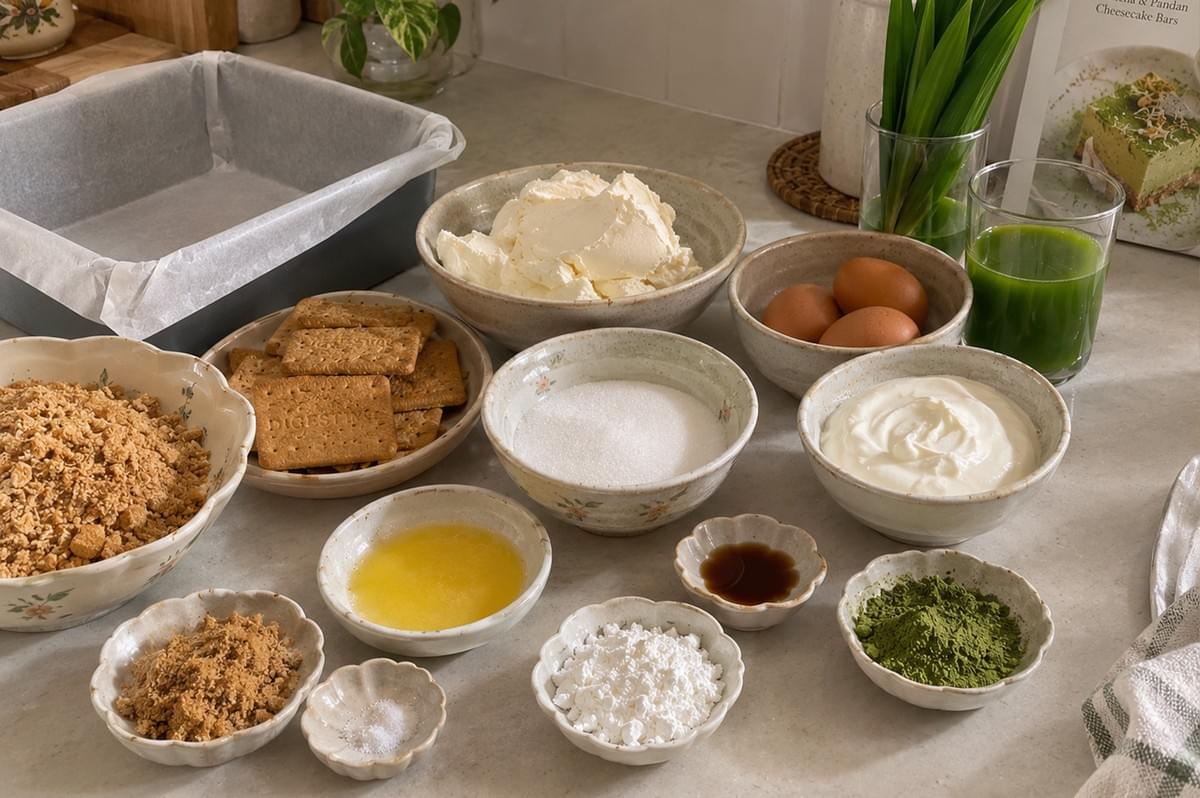
Biscuit Base
- 180g digestive biscuits or butter biscuits, crushed
- 80g unsalted butter, melted
- 20g brown sugar
- A pinch of sea salt
Pandan Matcha Cheesecake Filling
- 450g cream cheese, softened
- 100g caster sugar
- 3 large eggs
- 150g sour cream
- 80ml pandan juice (blended from fresh pandan leaves and strained)
- 2 teaspoons premium matcha powder
- 1 teaspoon vanilla extract
- 20g cornstarch
- A pinch of salt
Optional Garnish
- Matcha powder for dusting
- Fresh pandan leaves
- White chocolate curls
- Toasted coconut flakes
Step-by-Step Instructions
1. Prepare the biscuit base
Line an 8-inch square baking pan with parchment paper. Mix the crushed biscuits, melted butter, brown sugar, and salt until evenly combined.
Press the mixture firmly into the base of the pan. Chill for 20 minutes while preparing the filling.
2. Create the cheesecake mixture
Beat the softened cream cheese and sugar until smooth. Add eggs one at a time, mixing gently after each addition.
Add sour cream, pandan juice, and vanilla extract. Continue mixing until the mixture becomes silky.
3. Add matcha carefully
Sift the matcha powder and cornstarch into the cheesecake mixture. This prevents lumps and ensures the matcha spreads evenly throughout the filling.
Mix gently until the colour becomes a consistent soft green.
4. Bake the cheesecake
Pour the filling over the chilled biscuit base. Tap the pan lightly on the counter to remove any trapped air bubbles.
Bake at 160°C for approximately 40 to 45 minutes until the edges are set but the centre still has a slight wobble.
5. Cool and chill
Allow the cheesecake to cool completely at room temperature before refrigerating.
Chill for at least 4 hours, preferably overnight, before slicing into bars.
6. Finish and serve
Cut into clean squares using a warm knife. Dust lightly with matcha powder or decorate with toasted coconut for extra texture.
Chef’s Tips or Kenji’s Notes
Use good quality matcha. The flavour of matcha is very noticeable in this recipe, so choose one with a smooth taste rather than an overly bitter finish.
Fresh pandan makes a difference. Bottled pandan flavouring can work, but fresh pandan juice gives the cheesecake a more natural fragrance.
Do not rush the cooling process. Cheesecake continues to set as it cools. Cutting too early may affect the texture.
For a brunch gathering, prepare these bars one day ahead. The flavour becomes deeper and the texture becomes more luxurious after resting overnight.
Tasting Notes
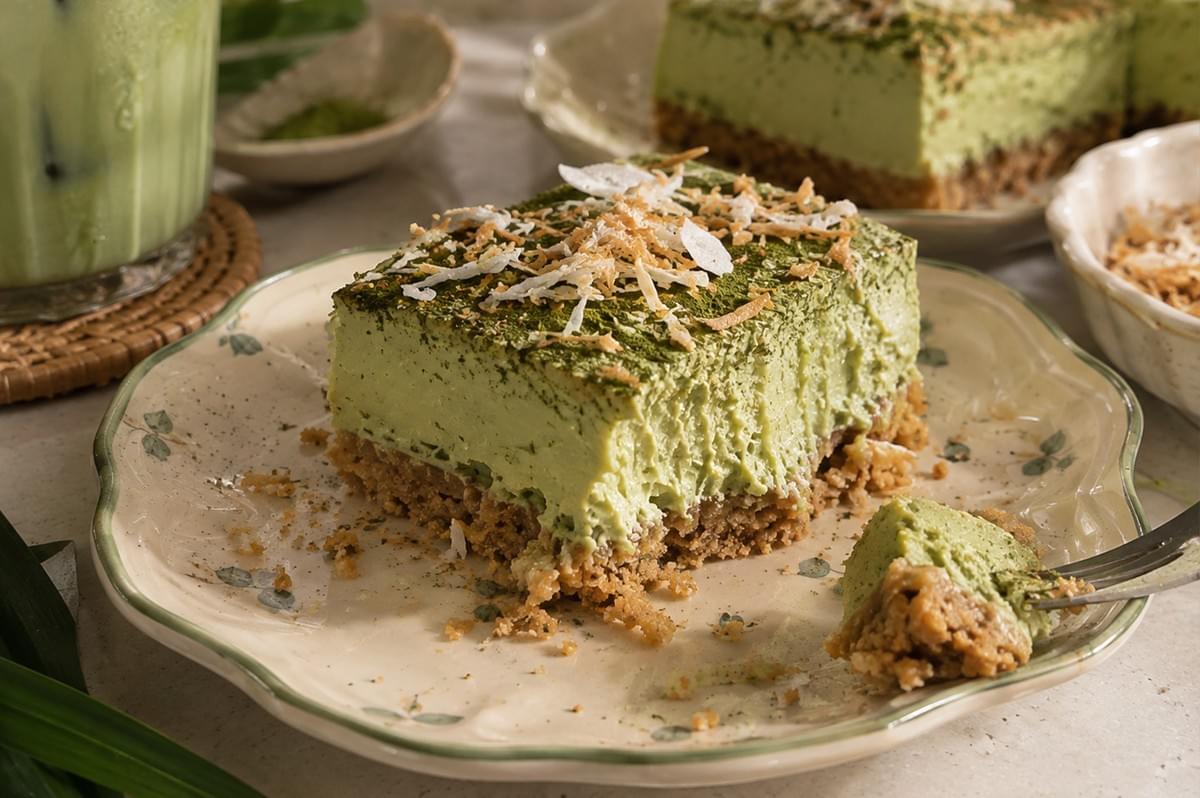
The first impression is creamy and refreshing. The cheesecake has a rich but balanced texture, while the biscuit base provides a gentle crunch underneath.
The matcha delivers a delicate bitterness, creating depth rather than overpowering sweetness. The pandan adds a soft floral aroma with hints of vanilla and coconut, bringing a distinctly Singaporean identity to the dessert.
The finish is clean, with lingering green tea notes that pair beautifully with Japanese roasted tea, coffee, or a traditional cup of kopi.
Bringing This Dish Home
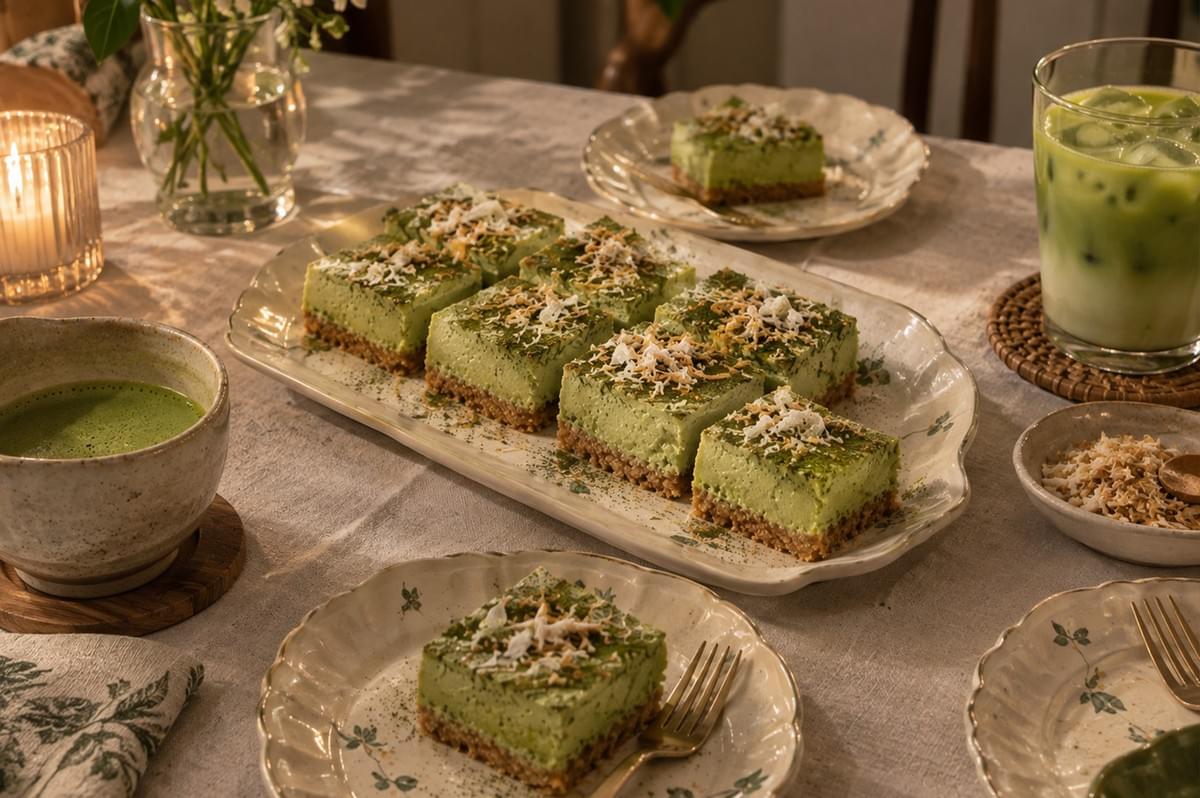
Brunch at home does not need to be complicated. Sometimes the most memorable dishes are those that combine flavours people already love in a new way.
These cheesecake bars are perfect for Singapore weekends because they can be prepared ahead and shared easily. Serve them during family gatherings, afternoon tea, or a relaxed brunch with friends.
For home cooks experimenting with desserts, this recipe is also a great introduction to balancing flavours. The combination of matcha and pandan teaches an important lesson: strong ingredients do not need to compete. When handled carefully, they can create harmony.
Cooking is about creating connections, and every ingredient has a story waiting to be shared.
Behind the Scenes Chef Masa Insight
At Chef Masa Recipes, we often explore how traditional flavours can evolve while respecting their origins. This dessert represents the creative process behind many of our dishes: taking something familiar, understanding why people love it, and discovering a new expression.
Kenji Nakamura shares, “When I develop recipes, I always ask myself what emotion the dish should create. With this cheesecake, I wanted people in Singapore to taste something familiar from childhood while experiencing the elegance of Japanese pastry techniques.”
The kitchen tests focused on finding the right balance between sweetness, bitterness, and aroma. Too much matcha would hide the pandan, while too much pandan would remove the character of the green tea. The final recipe celebrates both ingredients equally.
For more creative Japanese-inspired recipes that bring together tradition and innovation, explore our Hojicha Panna Cotta With Kuromitsu Syrup for another dessert inspired by Japanese tea culture.
