

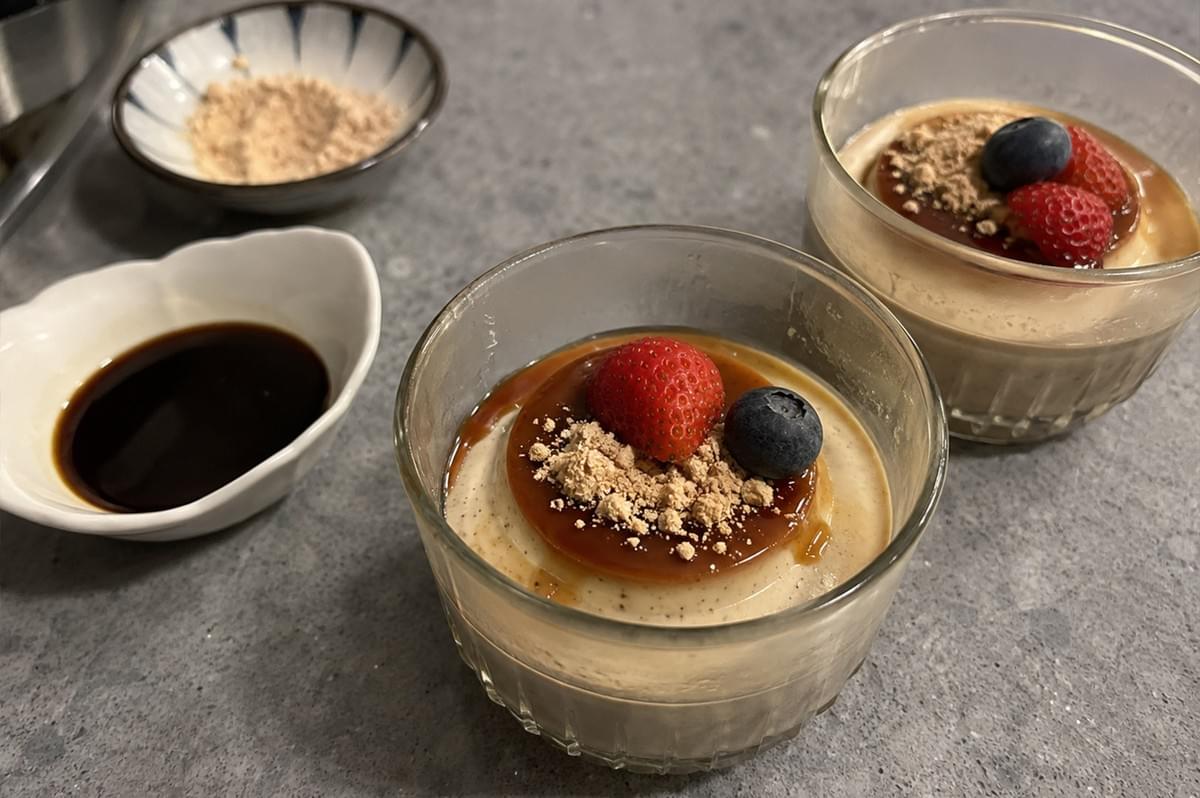
There are desserts that arrive with spectacle, and there are desserts that enter quietly, almost like a pause after a long meal. Chef Masa’s Hojicha Panna Cotta With Kuromitsu Syrup belongs to the second kind. It does not need a hot oven, a pastry degree, or a complicated hand with sugar work. It asks only for patience, good tea, and the willingness to let simplicity become elegant.
For Singaporean home cooks, especially those who love dessert but do not consider themselves bakers, this recipe is a comforting place to begin. It is cool enough for our weather, refined enough for a dinner gathering, and simple enough for a weekday reward. No baking, no mixer, no pastry anxiety. Just a soft tea custard that sets in the fridge and tastes far more considered than the effort it requires.
The Origin Story: When Roasted Tea Became Dessert
Hojicha began as a practical tea, made by roasting green tea leaves, stems, or twigs until they became brown, fragrant, and mellow. Unlike bright sencha or grassy matcha, hojicha has a toasted character that feels immediately comforting. Its lower bitterness makes it especially suitable for desserts, where cream and sugar can round out its roasted edges.
Chef Masa first spoke about this panna cotta as a dessert for people who “want sweetness without noise.” In Singapore, where Japanese cafés have made matcha and hojicha familiar to many diners, the challenge is not introducing the flavour. The challenge is helping people appreciate how deeply hojicha can behave like a dessert ingredient, not just a drink.
Panna cotta, though Italian in origin, gives hojicha a beautiful canvas. Its name means “cooked cream,” and in Chef Masa’s hands, it becomes less European and more quietly Japanese. The cream is infused with roasted tea, gently sweetened, softly set, and finished with kuromitsu, a dark syrup made from Japanese black sugar. The result is a dessert that feels familiar and new at the same time.
Flavor Philosophy and Techniques
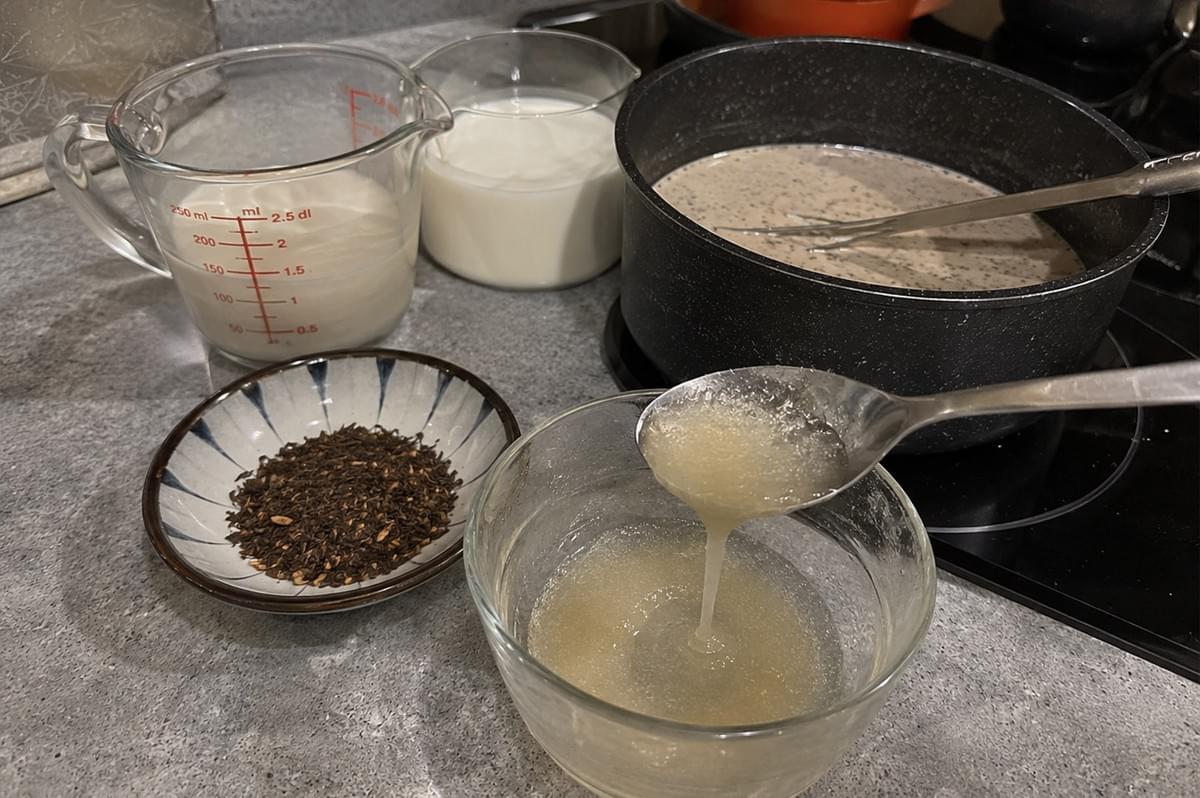
The philosophy behind this dish is restraint. Chef Masa does not want the panna cotta to taste like sweetened milk with tea in the background. He wants the tea to lead, but never dominate. The best hojicha panna cotta should taste roasted, creamy, and clean, with enough bitterness to keep the sweetness elegant.
The first technique is infusion. Hojicha must be warmed with milk and cream, not boiled aggressively. Too much heat can draw out harshness from the tea. A gentle steep gives the dessert its aroma without making it taste dry or tannic.
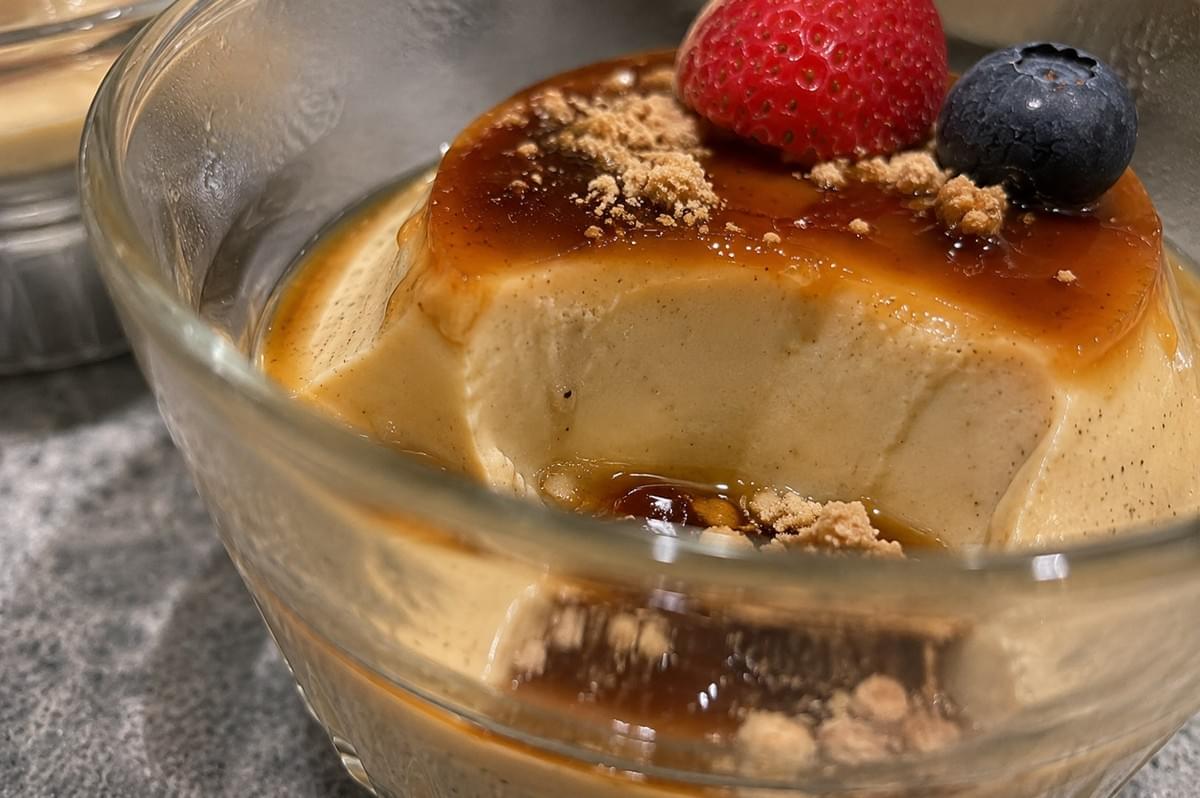
The second technique is gelatin control. Many panna cotta recipes fail because they are too firm. Chef Masa prefers a softer set, where the spoon glides through the custard and the panna cotta trembles slightly when moved. It should not feel like jelly. It should feel like cream that has learned how to hold its shape.
The third technique is balance. Kuromitsu has a deep molasses-like sweetness, so the panna cotta itself should not be overly sweet. This contrast is important. The cream carries the roasted tea, while the syrup provides depth, shine, and a final note of indulgence.
Ingredients
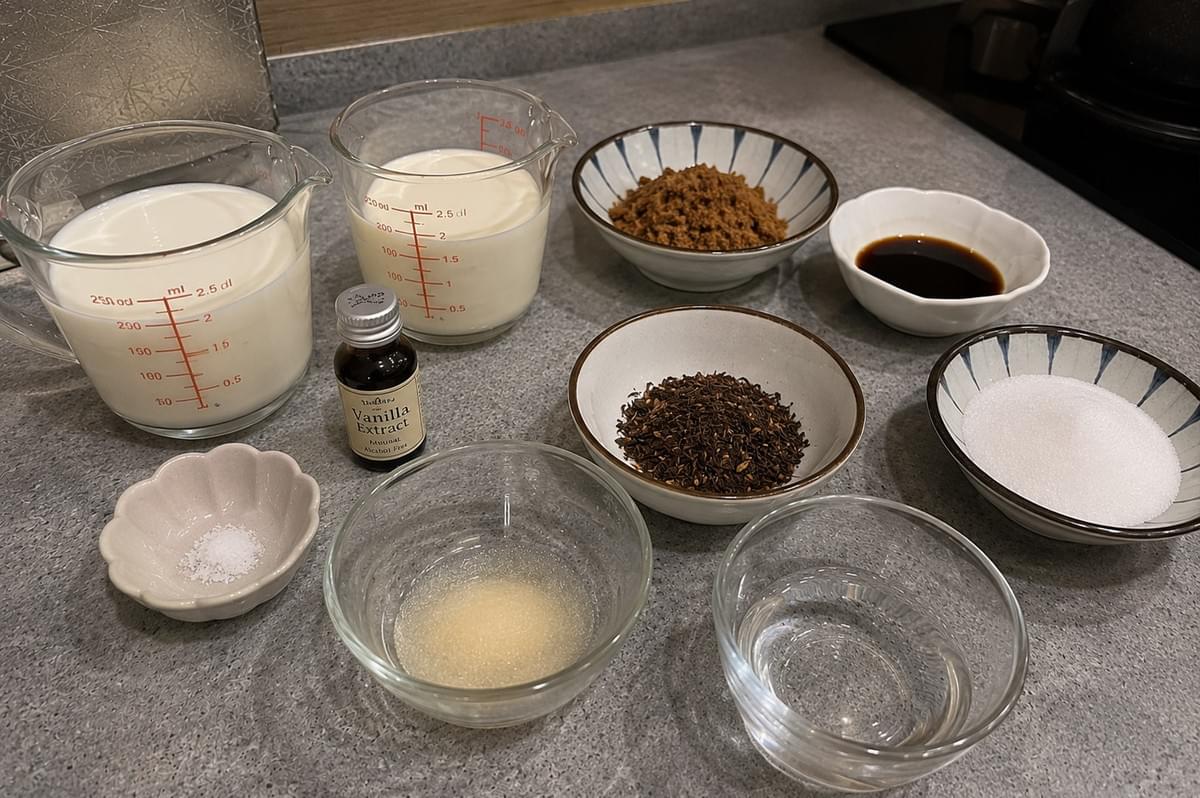
For 4 servings:
- 2 tablespoons loose hojicha tea leaves or 3 hojicha tea bags
- 250 ml whole milk
- 250 ml heavy cream
- 45 g caster sugar
- 1 ½ teaspoons powdered gelatin
- 2 tablespoons cold water
- 1 teaspoon vanilla extract, optional
- Pinch of fine salt
For the kuromitsu syrup:
- 80 g Japanese black sugar or dark muscovado sugar
- 50 ml water
- Small pinch of salt
For serving:
- Extra kuromitsu syrup
- Toasted soybean powder, optional
- Fresh berries, optional
- Small scoop of vanilla ice cream, optional
Step-by-Step Instructions
1. Bloom the gelatin.
Place the cold water in a small bowl and sprinkle the powdered gelatin evenly over the surface. Let it sit for 5 to 10 minutes. The gelatin will absorb the water and become thick. This step helps it dissolve smoothly later.
2. Warm the milk and cream.
In a saucepan, combine the milk, heavy cream, caster sugar, and a pinch of salt. Warm over low to medium heat until steam begins to rise from the surface. Do not let it boil.
3. Infuse the hojicha.
Add the hojicha tea leaves or tea bags to the warm cream mixture. Turn off the heat, cover the pan, and let it steep for 8 to 10 minutes. For a stronger roasted flavour, steep closer to 10 minutes, but avoid going too long or the tea may become bitter.
4. Strain the mixture.
Remove the tea bags or strain the mixture through a fine sieve if using loose leaves. Press gently to extract flavour, but do not force too much liquid through the leaves. This keeps the panna cotta smooth and clean.
5. Add the gelatin.
While the hojicha cream is still warm, add the bloomed gelatin and stir until completely dissolved. Add vanilla extract if using. The mixture should look smooth and lightly beige.
6. Pour into cups.
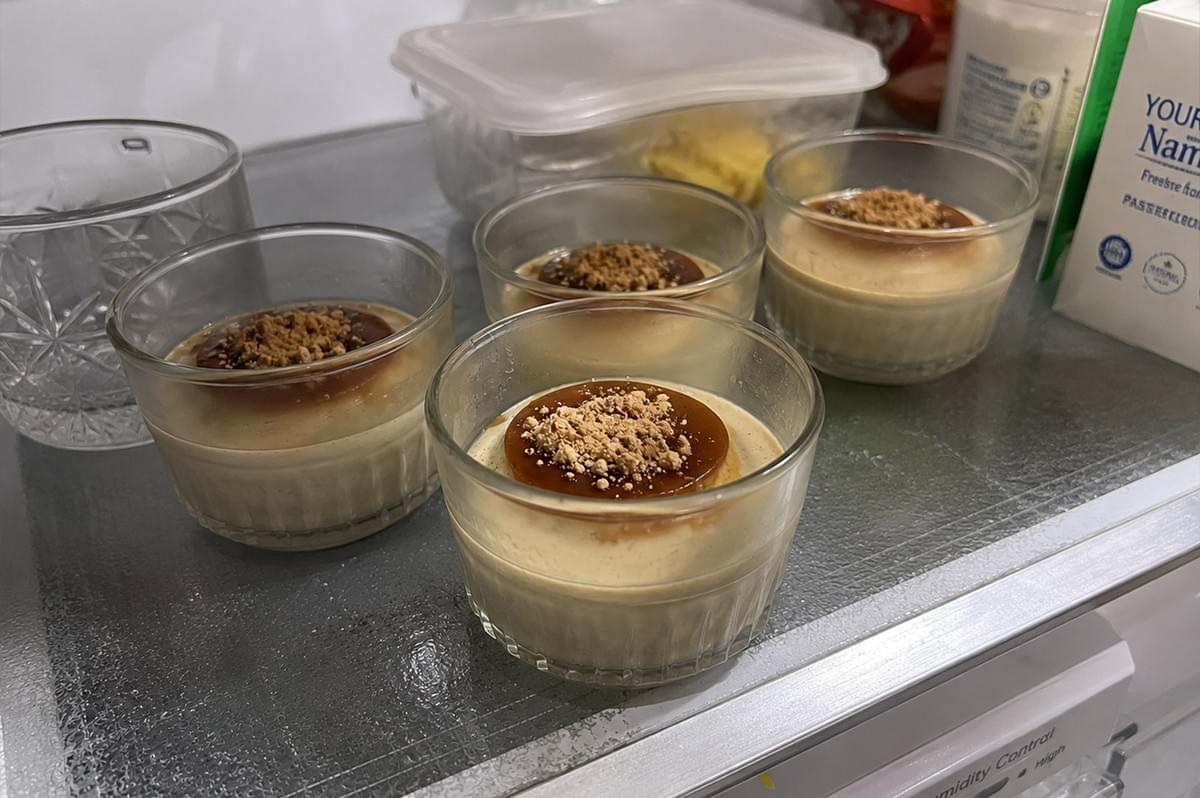
Divide the mixture into 4 small glasses, ramekins, or bowls. Let them cool at room temperature for about 15 minutes before placing them in the refrigerator.
7. Chill until set.
Refrigerate for at least 4 hours, or overnight if preparing ahead. The panna cotta should be softly set, with a gentle wobble.
8. Make the kuromitsu syrup.
Place the black sugar, water, and a small pinch of salt in a saucepan. Warm over low heat, stirring until the sugar dissolves. Simmer gently for 3 to 5 minutes until slightly thickened. Let it cool before serving.
9. Finish and serve.
Spoon kuromitsu syrup over each panna cotta just before serving. Add toasted soybean powder, berries, or a small scoop of vanilla ice cream if desired.
Chef’s Tips and Kenji’s Notes
Chef Masa always says that a quiet dessert must still have structure. This panna cotta may look simple, but every decision matters. Use good hojicha if you can. Loose-leaf hojicha often gives a rounder, more fragrant result, though tea bags are perfectly acceptable for home cooking.
Do not rush the chilling time. A panna cotta that has not fully set will taste good but lose its graceful texture. Overnight chilling is ideal if you are serving guests, especially in Singapore’s warm climate.
For the syrup, Japanese black sugar gives the most authentic kuromitsu flavour. If you cannot find it, dark muscovado sugar is a good substitute. Avoid regular white sugar for the syrup because it will not provide the same smoky, mineral sweetness.
If you want a lighter version, you may replace part of the cream with milk. The texture will be less luxurious, but still pleasant. Chef Masa’s preferred ratio is equal parts milk and cream because it gives richness without heaviness.
Tasting Notes
The first spoonful should be cool and delicate. The hojicha comes forward slowly, not as bitterness, but as warmth. There is a roasted fragrance that lingers on the palate, followed by the softness of cream and the dark sweetness of kuromitsu.
This dessert is not meant to be sugary. It is designed for those who enjoy tea, texture, and subtlety. The panna cotta itself is smooth and gently set, while the syrup adds a deeper, almost caramel-like finish. If served with berries, the fruit brings brightness. If served with kinako, it becomes nuttier and more traditional.
For Singaporean readers who love café-style Japanese desserts, this recipe offers the same pleasure in a more intimate form. It is the kind of dessert you can prepare in advance for friends, then bring out after dinner with almost no stress.
Bringing This Dish Home
What makes this hojicha panna cotta so useful for home cooks is its calm reliability. You do not need to bake. You do not need to fold egg whites, temper yolks, or worry about sponge cake collapsing. The recipe teaches the basics of infusion, setting, and balance, all through a dessert that feels polished.
It is also easy to adapt. Serve it in small Japanese tea cups for a refined dinner. Pour it into clear glasses for a café-style presentation. Make it the night before a gathering, then finish it with kuromitsu at the table. A dessert like this gives the host room to breathe.
Chef Masa often reminds young cooks that elegance is not always about difficulty. Sometimes, elegance is knowing what to leave untouched. This recipe follows that belief. The hojicha is not crowded with too many flavours. The cream is not overworked. The syrup is not decorative for decoration’s sake. Everything has a purpose.
Behind the Scenes: Chef Masa’s Insight
I remember Chef Masa testing this panna cotta late one afternoon, after the lunch service had ended and the kitchen had settled into its softer rhythm. He stood by the counter with three small cups, each made with a slightly different steeping time. One was too pale. One had become too sharp. The final one carried the roasted tea clearly, but still allowed the cream to feel gentle.
“That one,” he said, pointing to the quietest cup.
It was a reminder that Chef Masa’s Recipe Collection does not always choose intensity. He chooses harmony. In a world where desserts are often made taller, brighter, and louder for attention, this hojicha panna cotta feels almost radical in its restraint. It asks the diner to slow down, to notice fragrance, temperature, and texture.
At home, that may be its greatest gift. This is not just a tea dessert for non-bakers. It is a small lesson in patience, balance, and the comfort of doing simple things well.
For another gentle bowl that reflects Chef Masa’s love for warmth, patience, and quiet depth, you may enjoy The Heart of the Kitchen: Chef Masa’s Soy Braised Chicken with Burnt Garlic Rice
