

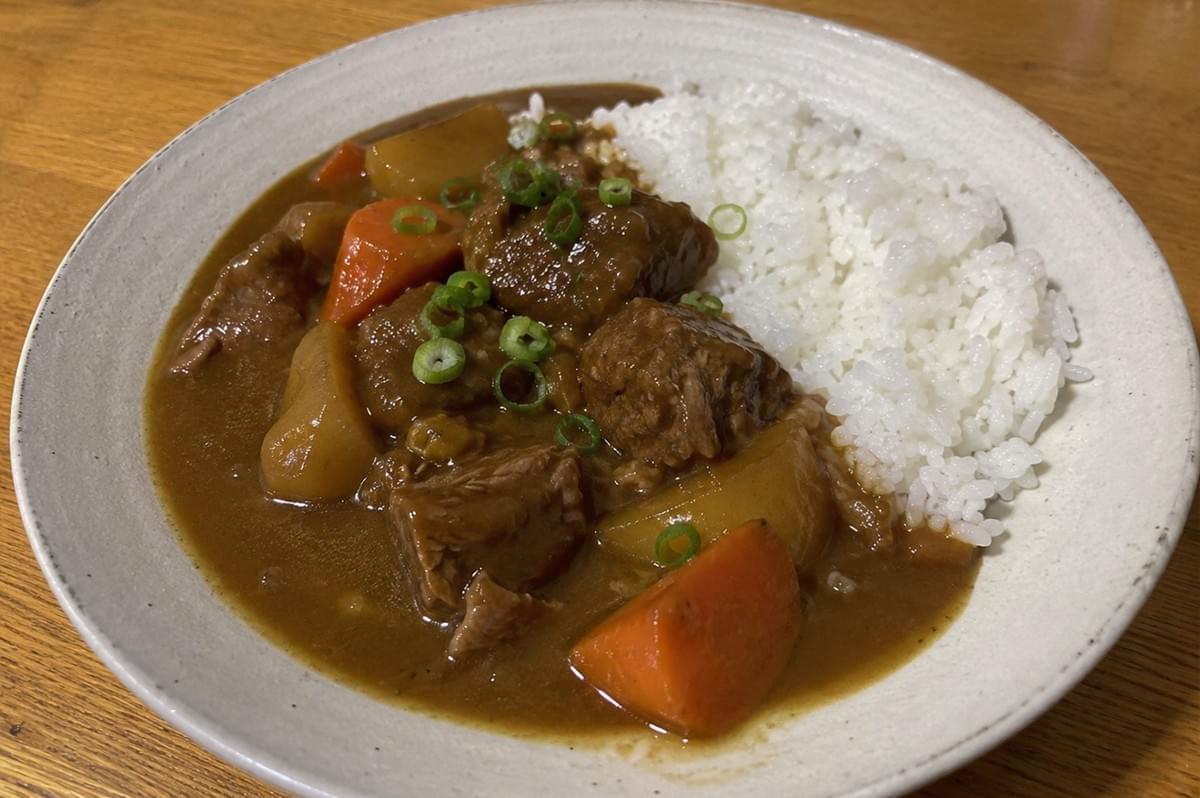
Some dishes announce themselves with smoke, flame, or the sharp brightness of citrus. This slow-braised beef curry rice does the opposite. It gathers its presence slowly, one softened onion, one browned edge, one patient simmer at a time.
In Chef Masa’s kitchen, Japanese curry is never treated as a shortcut. It is a comfort dish, yes, but comfort is not the same as carelessness. We have watched him stand over a heavy pot long after service, waiting for the sauce to darken from gold to deep brown, as though the curry itself needed time to remember what had gone into it.
In Singapore, Japanese curry has become familiar enough to feel almost traditional in many home kitchens and casual dining tables. It might not be mentioned in articles like Behind the Scenes: Preserving Traditional Recipes at Singapore’s Hawker Centres, but it needs preserving as well.
Like Singapore Hawkers, Chef Masa respects that familiarity. But he also asks the dish to slow down. In his hands, Japanese curry becomes less about convenience and more about patience, depth, and the quiet dignity of a bowl served warm.
The Origin of This Bowl
This recipe began after a long preparation day, when the kitchen had already given most of its energy to the guests. A tray of beef pieces sat near the counter, beside onions, carrots, and potatoes. The ingredients were humble, but Chef Masa looked at them as if they were waiting for instruction.
He browned the beef first, slowly and without crowding the pot. Then he cooked the onions in the remaining fat until their sharpness softened into sweetness. Nothing moved quickly, and yet nothing felt delayed. By the time the curry was served over rice, the dish had become more than staff meal. The beef yielded under the spoon. The sauce carried sweetness, spice, fat, and a gentle bitterness from the browned base of the pot.
“Curry must not only be thick,” Chef Masa said while tasting it. “It must feel as though it has travelled.” That sentence stayed with us, and it became the center of this recipe.
Flavor Philosophy and Technique
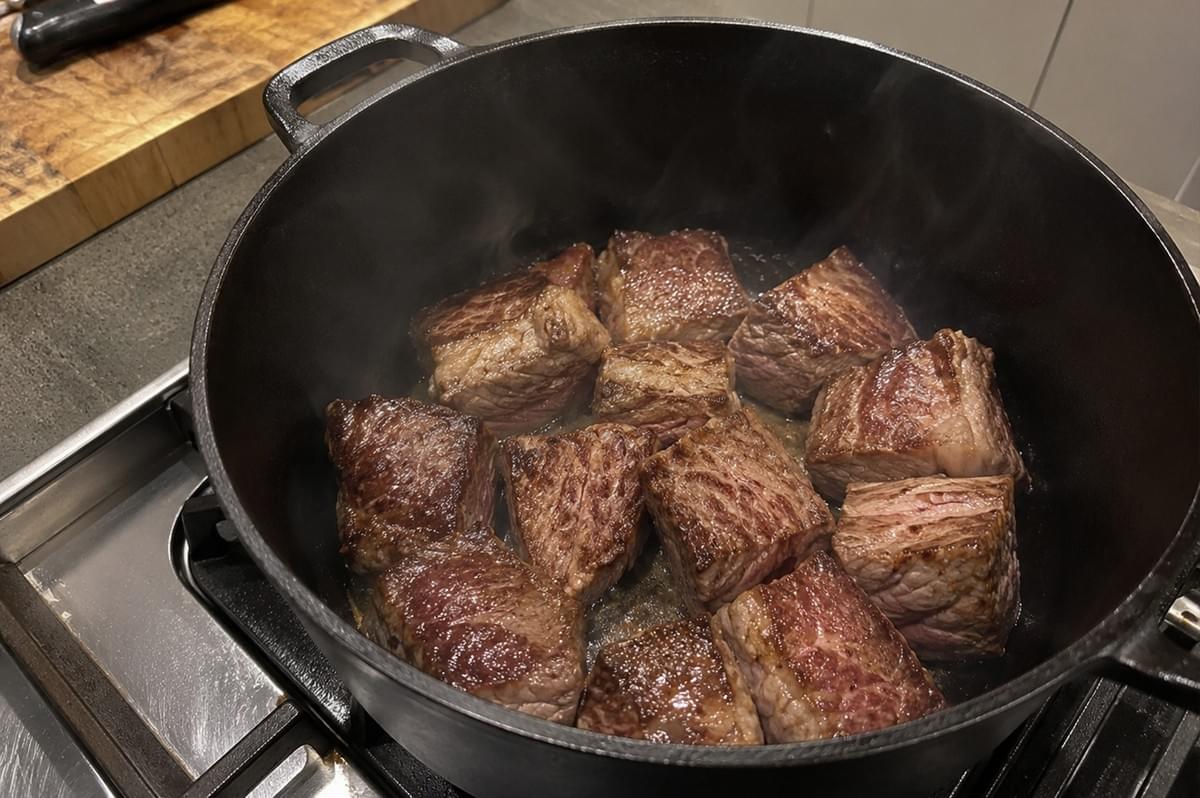
The foundation of this curry is not heat. It is patience. Chef Masa builds flavor by browning the beef deeply, then allowing the onions to collapse slowly into sweetness before any stock is added.
This first stage gives the curry its quiet structure. Without it, the sauce may still be thick, but it will not feel deep. The darker notes from the beef and onions are what allow the final curry to feel rounded rather than simply rich.
Japanese curry is loved for its gentle warmth, and this version keeps that softness intact. Grated apple brings sweetness. Soy sauce adds a low savoury note. Mirin smooths the finish without making the dish taste sugary.
The goal is not to make the curry heavier. Chef Masa wants it to become more resonant. Each spoonful should move from beef to sauce to rice without interruption.
Ingredients
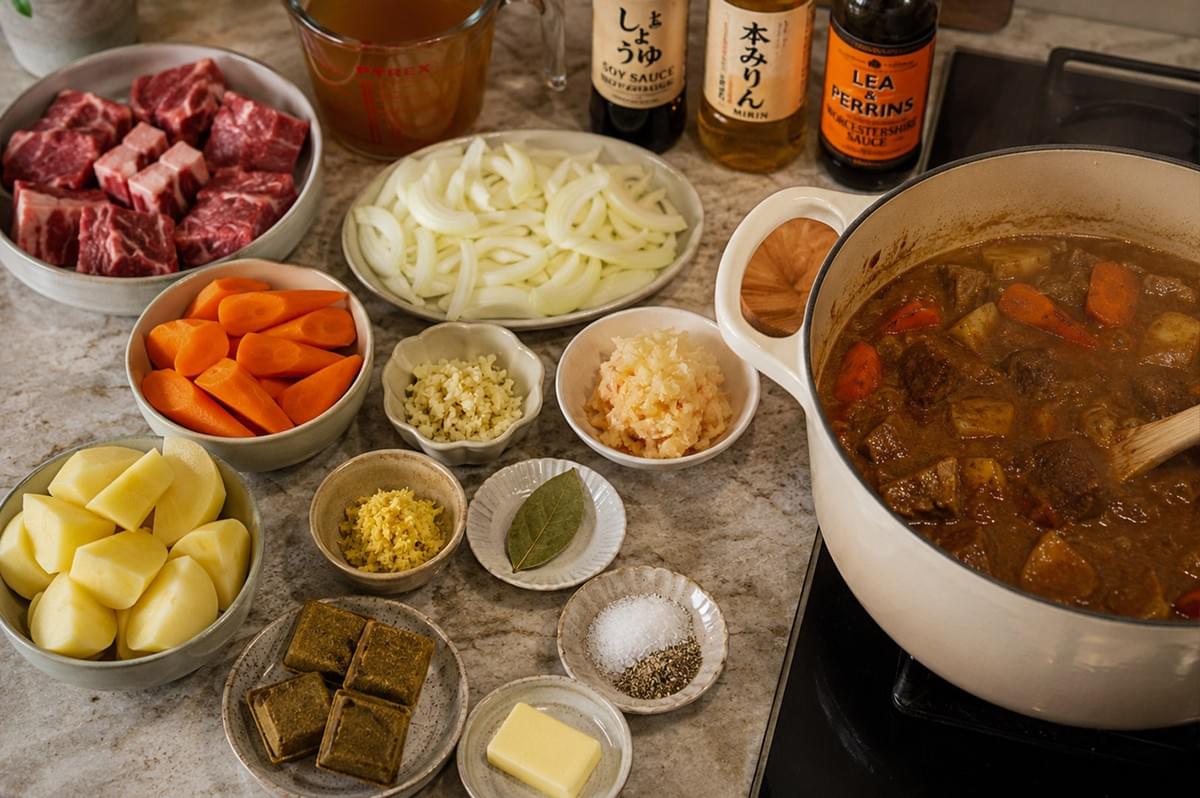
For the curry, prepare the following:
- 700g beef short rib or chuck, cut into large cubes
- Salt and white pepper, for seasoning
- 2 tablespoons neutral oil
- 1 tablespoon butter
- 2 onions, thinly sliced
- 3 garlic cloves, minced
- 1 thumb-sized piece of ginger, grated
- 2 carrots, cut into rolling wedges
- 2 potatoes, peeled and cut into large pieces
- 1 small apple, grated
- 1 bay leaf
- 1 litre beef or chicken stock
- 2 tablespoons soy sauce
- 1 tablespoon mirin
- 1 teaspoon Worcestershire sauce
- 90–100g Japanese curry roux
For serving, prepare:
- Warm Japanese short-grain rice
- Finely sliced scallions
- Fukujinzuke or pickled vegetables, optional
Chef Masa prefers short-grain rice for this dish because the grains hold the sauce gently. The rice should be freshly steamed, glossy, and soft enough to absorb the curry without losing its shape.
The beef should be cut generously. Small pieces cook faster, but they do not offer the same sense of slow tenderness. This is a curry that asks the spoon to pause.
Instructions
- Season the beef lightly with salt and white pepper. Warm the oil in a heavy pot over medium-high heat, then brown the beef in batches until each piece develops a deep crust.
- Do not rush this stage. Let the beef sit against the heat before turning it, because the browned surface will later dissolve into the sauce and give the curry its depth.
- Remove the beef from the pot and lower the heat. Add the butter, onions, garlic, and ginger, then cook slowly until the onions soften, turn golden, and begin to cling to the bottom.
- Return the beef to the pot. Add the carrots, grated apple, bay leaf, soy sauce, mirin, Worcestershire sauce, and stock.
- Bring the pot to a gentle simmer. Skim the surface, then cover partially and cook for about two hours, or until the beef begins to yield when pressed with a spoon.
- Add the potatoes during the final 35 to 40 minutes. This keeps them tender but intact, allowing them to absorb the curry without dissolving too early.
- Turn off the heat before adding the curry roux. Stir in the roux piece by piece until it melts fully into the broth and the sauce becomes smooth.
- Let the curry rest for at least 20 minutes before serving. Rewarm gently if needed, then spoon it over hot rice and finish with scallions or pickles.
Kenji’s Note
The most important step in this recipe is the pause after cooking. Once the roux has melted and the sauce has thickened, Chef Masa does not serve it immediately. He covers the pot and lets the curry settle. That resting time changes the dish. The spice softens. The beef fat folds into the sauce. The sweetness from the onions, carrots, and apple becomes less separate and more complete.
We have seen him lift the lid too early, taste quietly, and close it again. The curry was cooked, but it had not yet become whole. There is a difference.
For deeper flavor, this curry may be made a day ahead. Reheat it slowly with a splash of stock, stirring gently so the sauce loosens without losing its body.
Tasting Notes
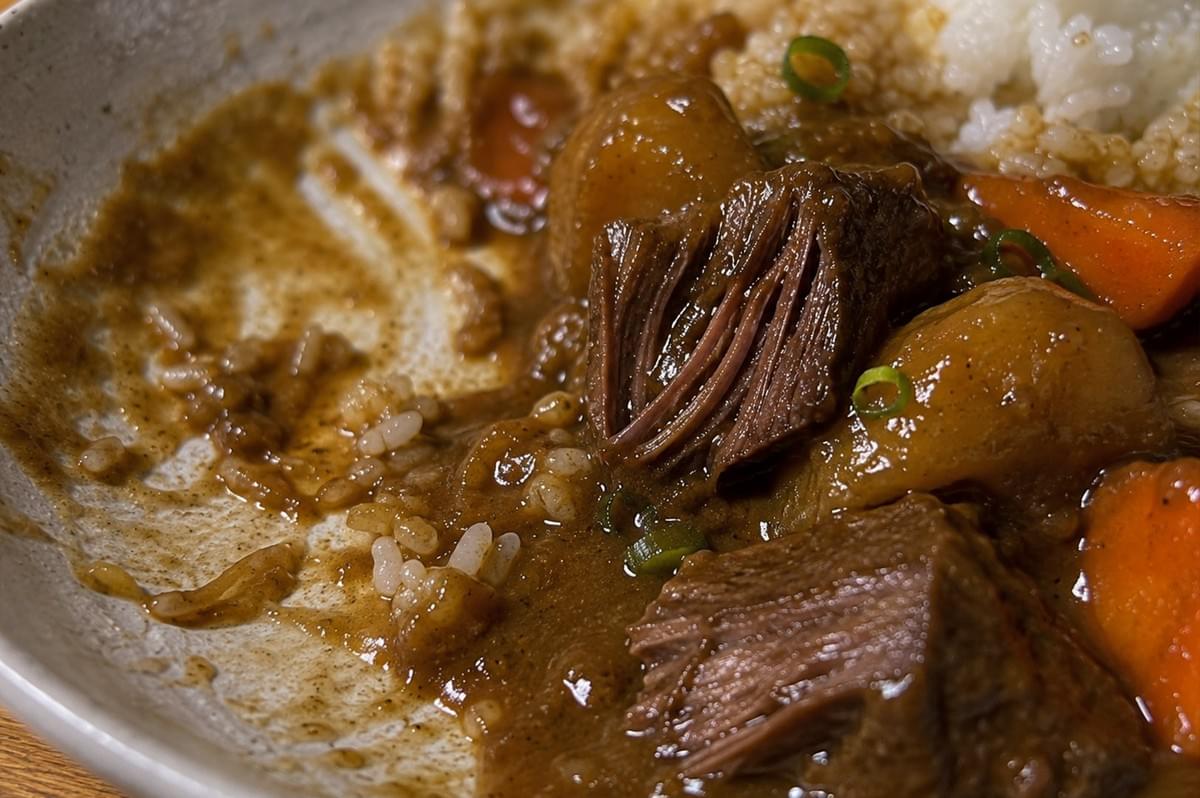
The first spoonful should feel warm before it feels spiced. This is not a sharp curry. It is mellow, rounded, and steady. The beef gives richness, the onions bring sweetness, and the apple softens the curry’s edge. Soy sauce and Worcestershire remain in the background, adding shadow rather than obvious flavor.
The potatoes should be tender at the edges but not broken down completely. The carrots should taste naturally sweet. The beef should hold its shape until touched by the spoon. When the balance is right, the rice does not disappear beneath the sauce. Each grain carries just enough curry to become part of the bowl. Chef Masa looks for harmony, not excess.
Bringing This Dish Home
At home, this recipe rewards calm more than technical skill. The steps are simple, but they ask for attention. Browning, simmering, resting; each stage matters.
If the sauce becomes too thick, loosen it with warm stock. If it tastes too light, simmer it uncovered for a few more minutes before resting. If the curry feels too strong, serve it with more rice rather than weakening the sauce.
This bowl also creates a natural bridge to the wider story of Japanese curry in Singapore. Many diners here know Japanese curry as a traditional comfort recipe within the local Japanese dining landscape, especially through curry rice, katsu curry, and home-style curry sets.
Like mentioned, Chef Masa’s version honours that familiar affection. It does not try to reinvent Japanese curry completely. Instead, it slows the dish down and lets its comfort become more deliberate.
Behind the Scenes: Chef Masa’s Insight
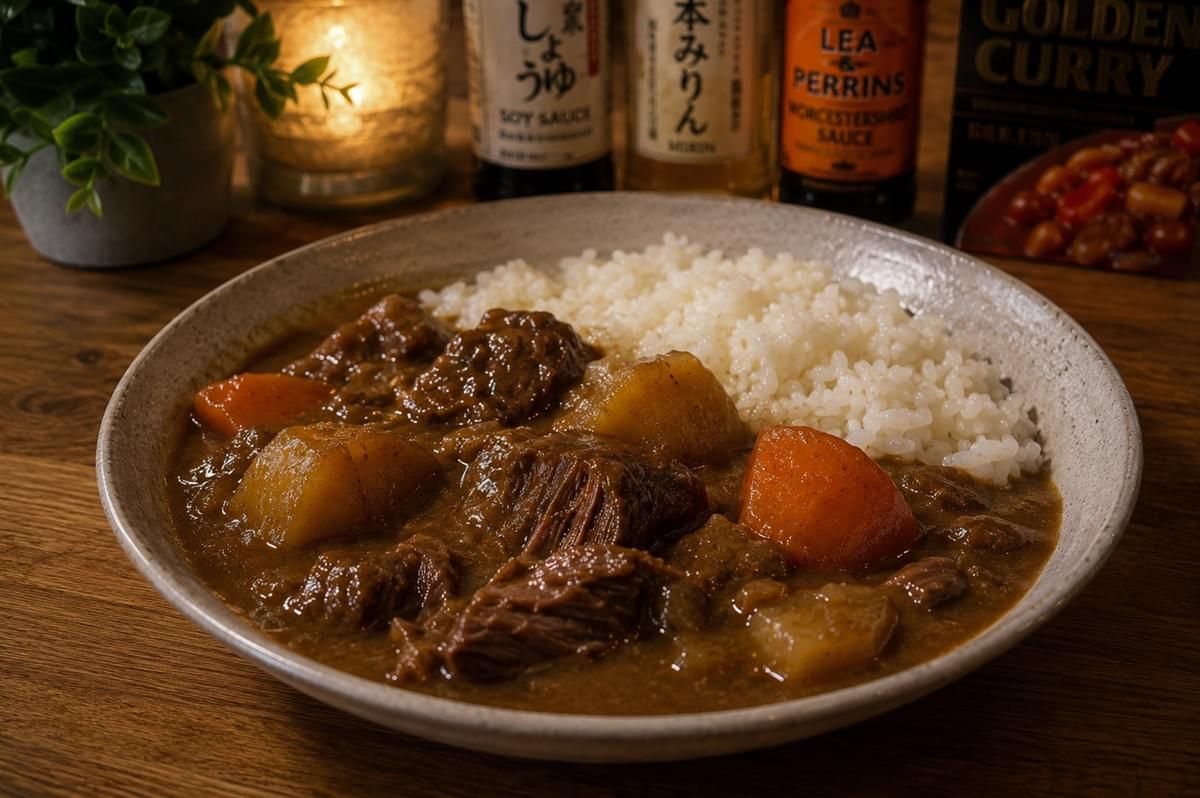
During testing, Chef Masa adjusted this curry several times by changing the timing rather than the ingredients. The apple was first added late, then early, then finally just after the aromatics. That was when it melted most naturally into the base.
The potatoes were also tested in different ways. When added too early, they dissolved and thickened the sauce before the beef had finished softening. When added near the end, they stayed tender and distinct.
This is how Chef Masa often works. He does not always add more. Sometimes he simply moves one ingredient to a different moment and waits for the dish to answer.
What remained was a recipe shaped by order. Beef first, because it needs time. Onions next, because sweetness must be built. Roux last, because thickness should arrive only after flavor is ready.
Continue the Journey
Slow-braised beef curry rice belongs to the same family of comfort as late-night ramen, ochazuke, and staff meal donburi. These are dishes that restore the body quietly. They do not need decoration to feel complete.
This curry is not a showpiece, though it carries refinement. It is not a shortcut, though it uses familiar ingredients. Its beauty lies in how patiently it treats a dish many people already love.
For readers exploring Japanese curry more deeply, this recipe can naturally connect to a broader article on Japanese curry, its history, flavor, and place in Singapore’s home-cooking and casual dining culture. Chef Masa’s bowl is one expression of that larger story.
Here, comfort is not made quickly and forgotten. It is browned, simmered, rested, and served with care. In the final spoonful, the lesson is simple: depth is not forced; it is waited for.
