

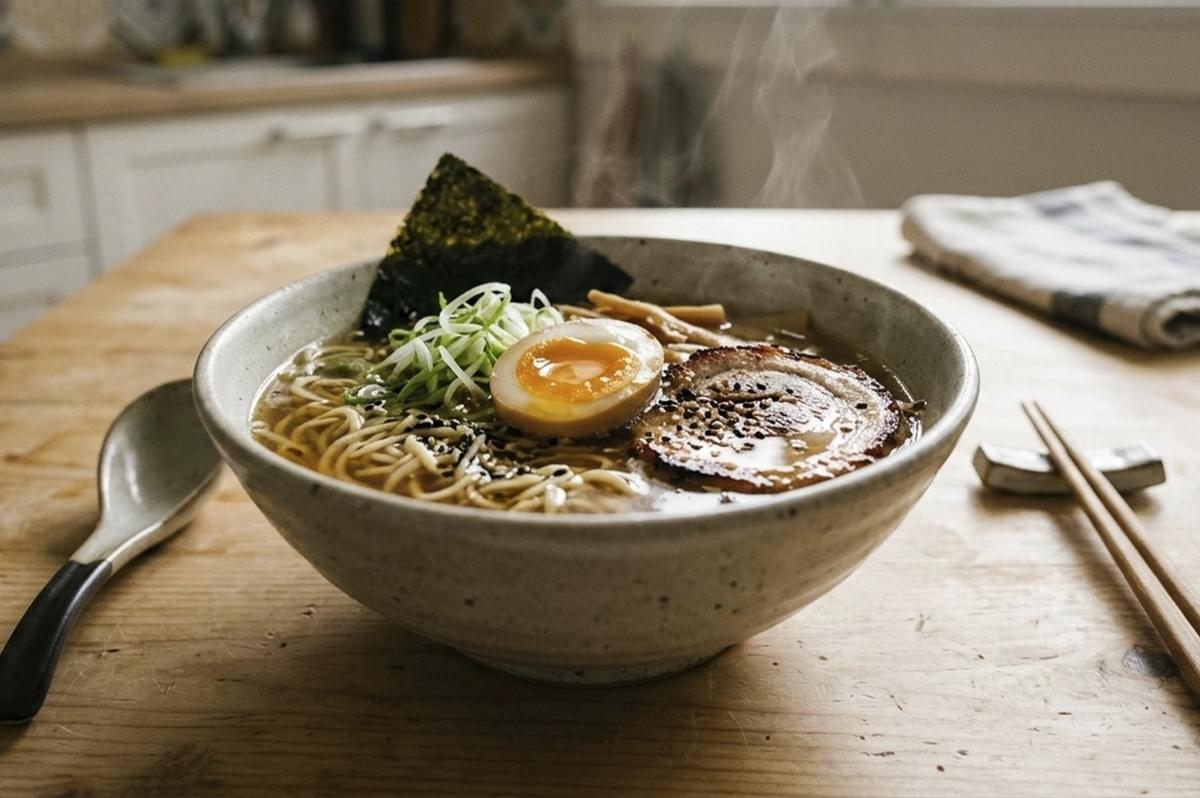
Opening Scene
Walking into Chef Masa’s kitchen is like stepping into a different rhythm once the last guest has left. The lights soften. Knives are wiped and returned to their place. Somewhere near the stove, a pot is reheated gently, not for service, but for us. The aroma is unmistakable. A clean, savory broth rising slowly, carrying warmth rather than intensity.This is when The 3 AM Ramen appears. No garnish tweezers. No polished counter. Just bowls warmed by hand, steam fogging the air, and the quiet understanding that this moment belongs only to the kitchen. Chef Masa believes that how a chef eats after service reveals more than what is served during it.
The Origin
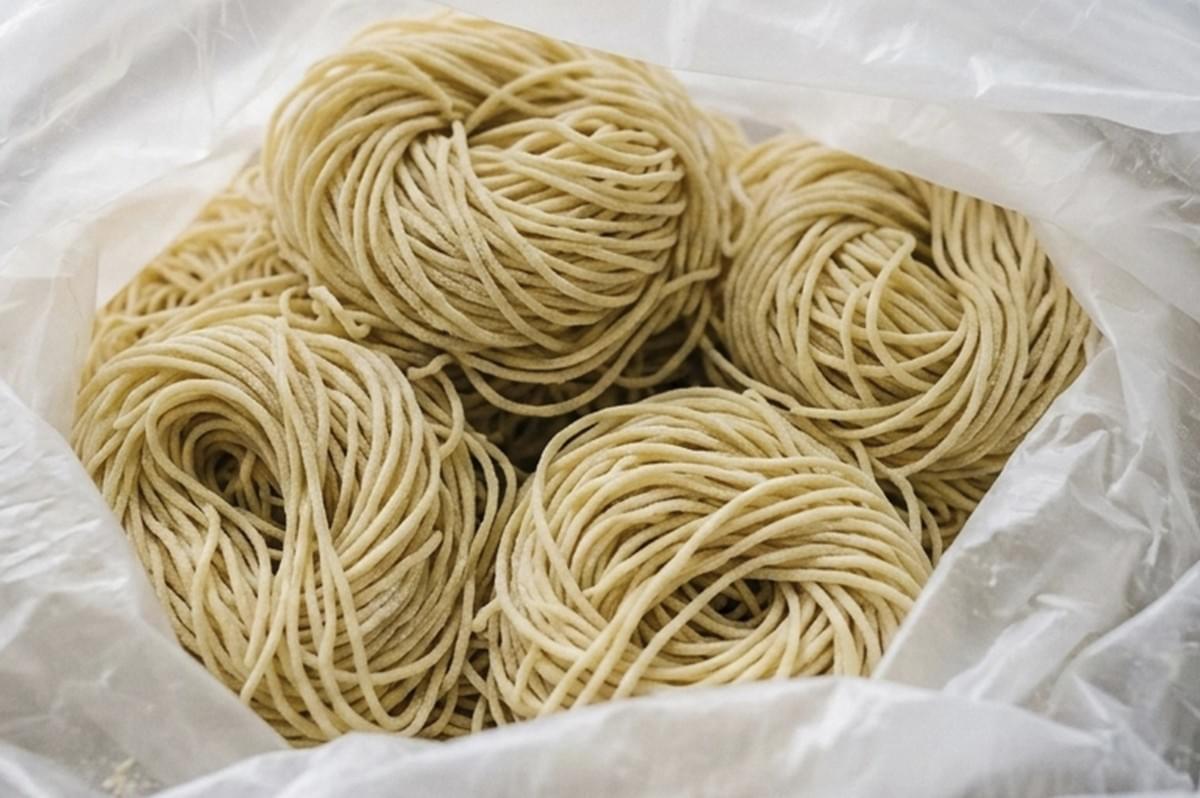
The story of this dish begins not as a recipe, but as a ritual. After long nights at the counter, Chef Masa would return to the stove with a different intention. Nourishment, not performance. Something grounding enough to restore balance.
Ramen became the natural choice. Not the kind built with excess, but one stripped to its essence. A broth prepared ahead of time, resting patiently. Noodles cooked fresh. Toppings chosen for comfort rather than complexity.
Each iteration was a quiet revelation. Too rich and the bowl became heavy. Too light and it lacked reassurance. Through repetition, the balance emerged. This ramen became a constant, evolving gently with the seasons and the state of the kitchen.
Flavor Philosophy and Techniques
At the heart of this recipe is comfort through clarity.
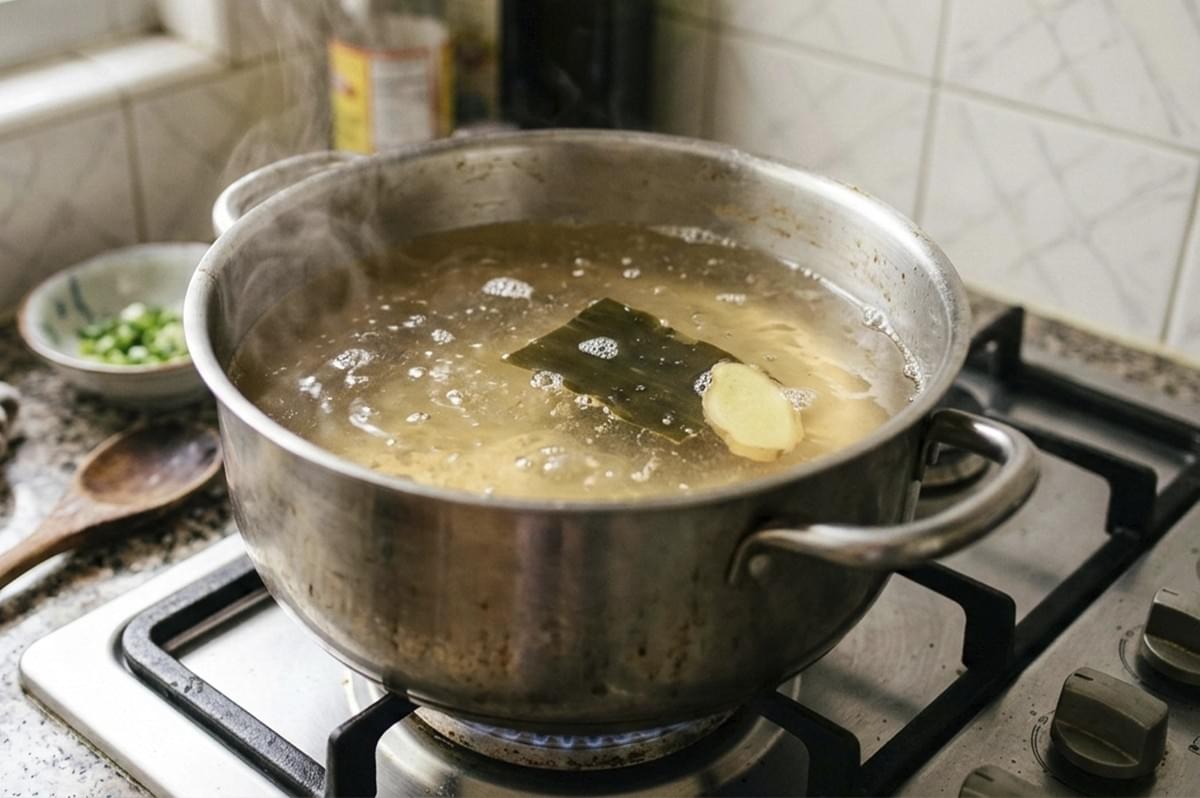
Chef Masa employs restraint in every step. The broth is built cleanly, without clouding, allowing umami to unfold naturally. Tare is subtle, seasoning rather than defining. Toppings are minimal, each with a purpose.
Texture matters deeply here. The noodles retain bite. The broth coats without clinging. The warmth lingers without fatigue. Plating, color, and aroma are not afterthoughts. Even at three in the morning, they remain part of the storytelling.
The Recipe
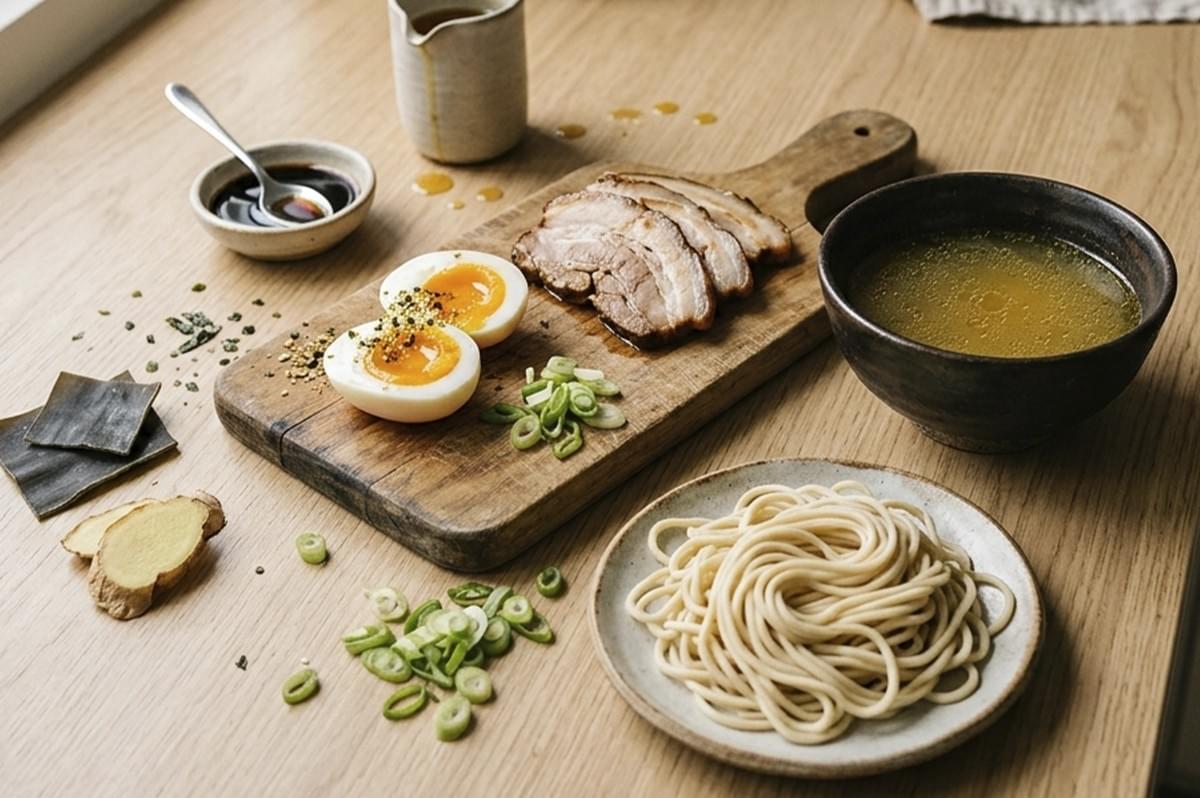
Ingredients
Broth
• 1.5 L chicken or light pork stock
• 1 small piece kombu
• 1 slice ginger
• 1 tbsp soy sauce
• Sea salt, to taste
Toppings
• Fresh ramen noodles, 1 portion per bowl
• Soft-boiled egg, halved
• Chashu pork or sliced chicken
• Scallions, finely sliced
• Sesame oil, a few drops
Instructions
- Gently heat the stock with kombu and ginger. Do not boil. Allow to infuse for 20 minutes, then remove kombu.
- Season lightly with soy sauce and salt. The broth should remain clean and comforting.
- Cook noodles according to package instructions, ensuring they retain firmness.
- Warm serving bowls. This keeps the broth stable and inviting.
- Add noodles to the bowl, pour over hot broth.
- Top with egg, protein, scallions, and a final drop of sesame oil.
Kenji’s Note:
Chef Masa always tastes the broth alone before serving. If it comforts without garnish, it is ready.
Tasting Notes
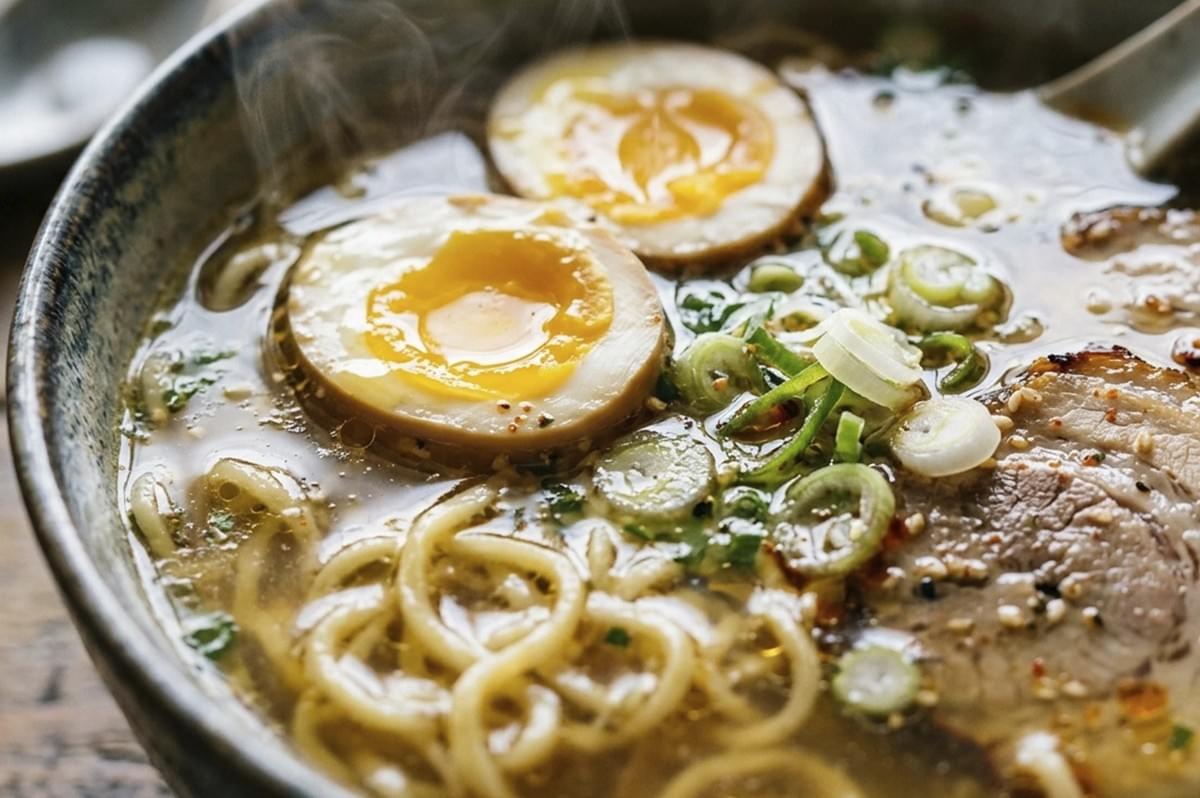
The first spoonful of this dish is a revelation. Aroma arrives gently, familiar and reassuring. The broth settles on the palate with calm authority. Noodles provide structure, the egg richness, the protein substance. Nothing competes. Everything supports. What makes The 3 AM Ramen extraordinary is not its complexity, but its honesty.
Bringing This Dish Home
While The 3 AM Ramen is born from post-service quiet, it is entirely approachable at home.
• Use store-bought stock, but season thoughtfully
• Substitute rice noodles if ramen is unavailable
• Add leftover proteins from previous meals
• Keep toppings minimal to preserve clarity
• Eat slowly, preferably when the world is quiet
Cooking this dish at home allows you to experience Chef Masa’s philosophy firsthand. Comfort does not require excess. Only care.
Behind the Scenes: Chef Masa’s Insights
Chef Masa often says, “The food we cook for ourselves must still deserve respect.”
In our kitchen, this ramen is never rushed. It is prepared with the same attention given to any dish served at the counter. The bowl is a reminder that restraint, humility, and nourishment are at the core of craft. The elegance lies in precision, timing, and respect for one’s own hands.
Continue the Journey
If the quiet comfort and late-night warmth of this bowl resonate with you, we invite you to explore another expression of nourishment from our kitchen: Soy-Braised Chicken with Burnt Garlic Rice
Different hour. The same need for grounding and care.
