

Opening Scene
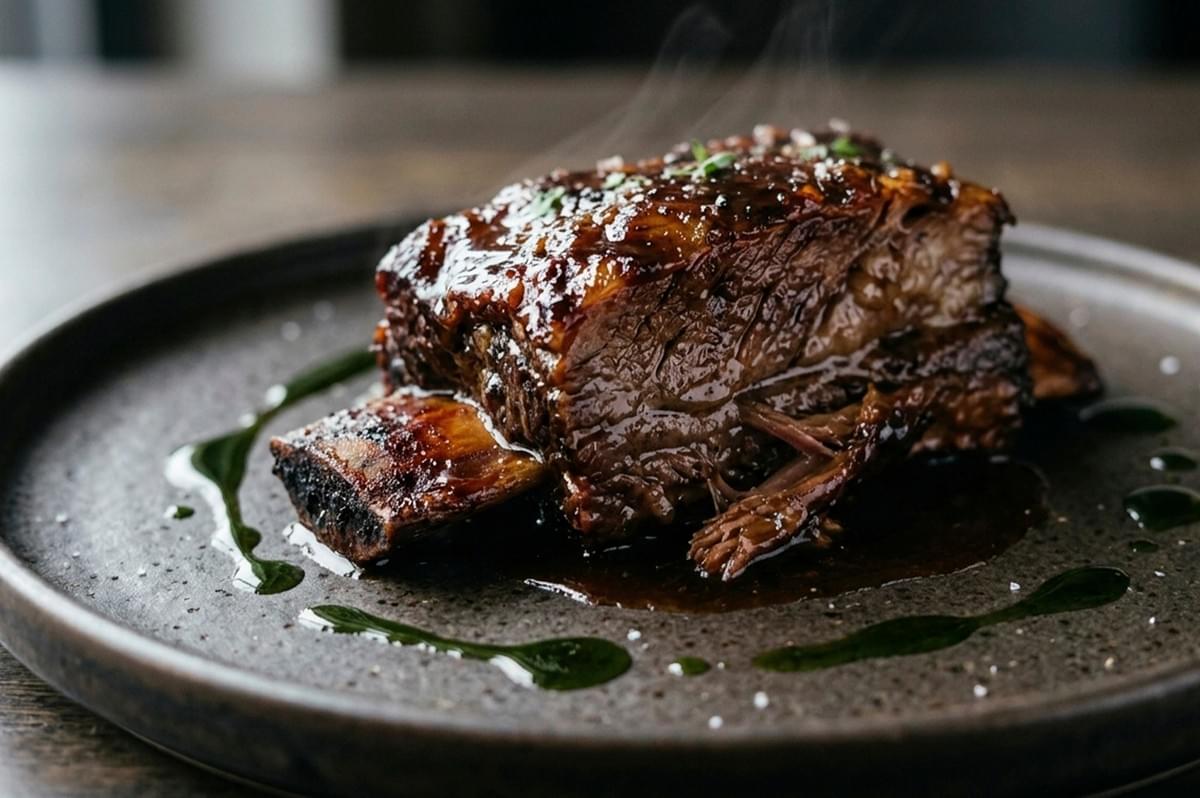
Walking into Chef Masa’s kitchen is like stepping into a quiet promise. The stove is low, steady, unwavering. A heavy pot rests against the flame, lid slightly ajar, releasing a gentle cloud of steam scented with sake and soy. There is a sweetness in the air, but it is restrained. Not sugary. Not loud. Just patient.
We move carefully around the braise, lifting the lid only when necessary. The ribs settle back into their broth as if they belong there. This is how the Sake-Braised Short Ribs with Charred Leek Oil begins. Slowly. Without urgency. Guided by respect for time.
Chef Masa often reminds us that slow cooking is not about tenderness alone. It is about allowing flavor to deepen without becoming heavy.
The Origin
The story of this dish begins with Chef Masa contemplating how sake behaves under heat. Unlike wine, it softens rather than sharpens. It rounds edges. He wanted to explore that gentleness in a braise that would feel refined rather than rustic.
Short ribs offered the perfect structure. Rich, marbled, and forgiving. The question was how to bring brightness to such depth. The answer arrived not through acidity, but through aroma.
Charred leek oil became the final layer. Smoky, green, almost sweet. Each iteration was a quiet revelation. Too much char overwhelmed the broth. Too little disappeared entirely. Through repetition and restraint, balance emerged.
Flavor Philosophy and Techniques
At the heart of this recipe is depth balanced by aroma.
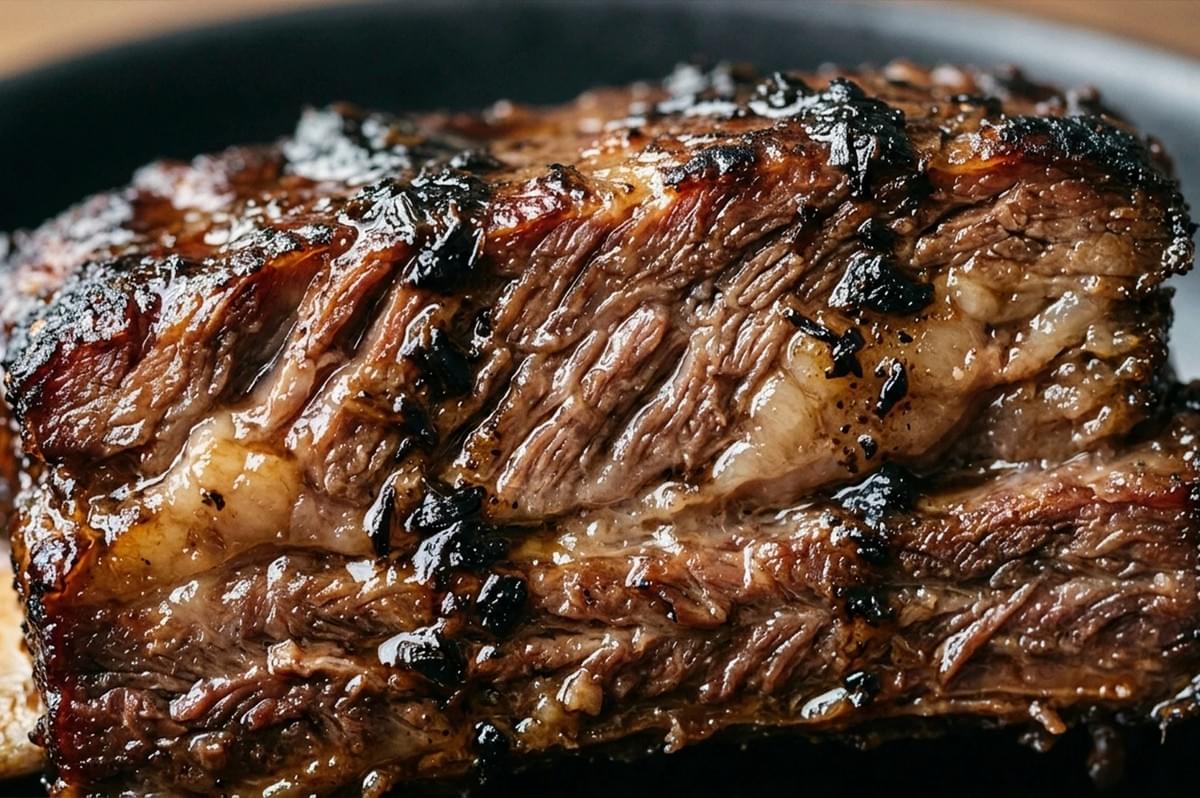
Chef Masa employs a slow braise, allowing collagen to dissolve gradually into silk. The sake is reduced gently before full simmering, concentrating its sweetness. Soy sauce seasons but does not dominate. Sugar is minimal, if used at all.
The charred leek oil provides contrast. Leeks are blackened carefully, not burnt recklessly, then blended into warm oil. This juxtaposition of textures, tender ribs and fragrant oil, creates movement on the palate.
Plating, color, and aroma are not afterthoughts. They are part of the storytelling.
The Recipe
Ingredients
Sake-Braised Short Ribs
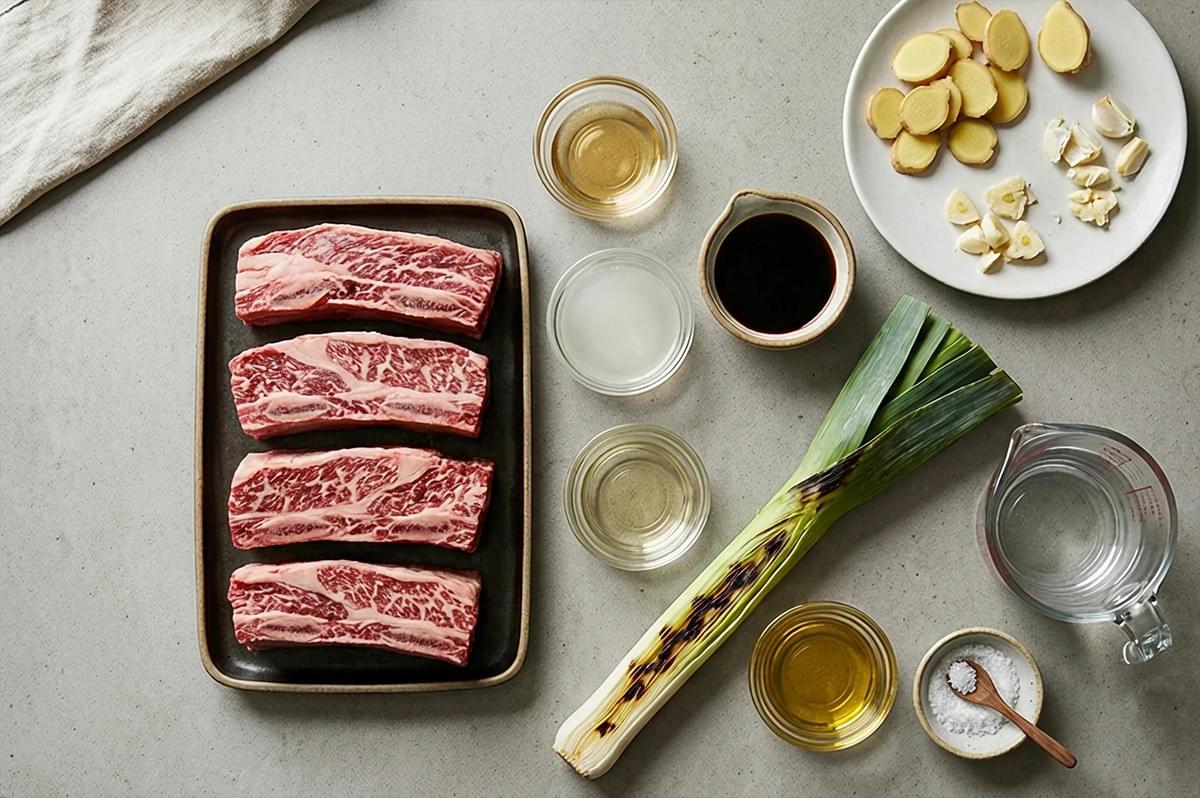
• 1.2 kg beef short ribs
• 1 cup sake
• 2 tbsp light soy sauce
• 1 tbsp mirin
• 3 slices ginger
• 2 garlic cloves, crushed
• 2 cups water or light beef stock
• Neutral oil
• Sea salt, to taste
Charred Leek Oil
• 1 large leek, sliced lengthwise
• 120 ml neutral oil
• Pinch of salt
Instructions
- Season short ribs lightly with salt.
- Heat oil in a heavy pot and sear ribs on all sides until browned. Remove and set aside.
- In the same pot, add sake and allow it to simmer for 2 minutes to soften its alcohol edge.
- Add soy sauce, mirin, ginger, garlic, and stock. Return ribs to the pot.
- Bring to a gentle simmer, cover partially, and cook on low heat for 2.5 to 3 hours until tender.
- Skim occasionally to maintain clarity in the sauce.
- For the leek oil, char leek halves in a dry pan until deeply blackened but not bitter.
- Blend charred leek with warm oil and a pinch of salt until smooth. Strain if desired for a cleaner finish.
- Plate ribs and spoon braising liquid over. Finish with a drizzle of charred leek oil.
Kenji’s Note:
The braise should tremble, never boil. Aggressive heat clouds both broth and intention.
Tasting Notes
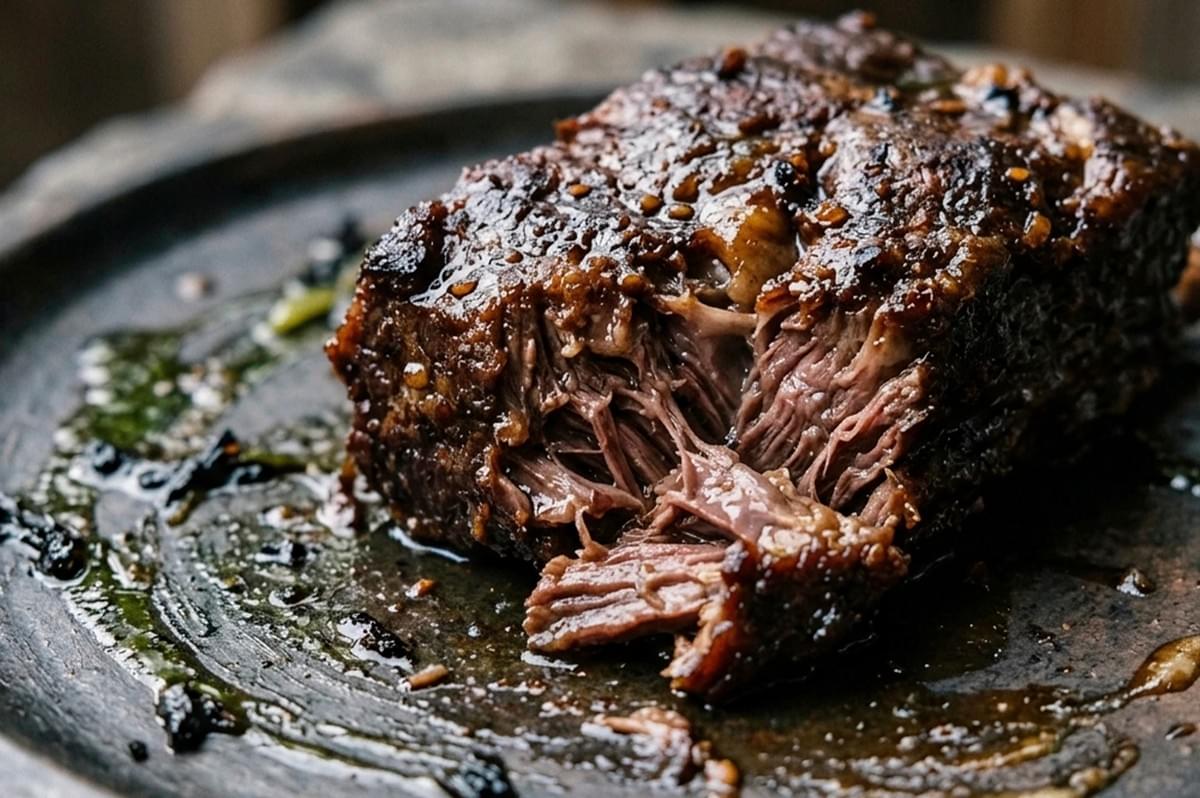
The first forkful of this dish is a revelation. Aroma rises first, sake sweetness intertwined with smoke. The meat yields effortlessly, melting into richness that feels controlled rather than overwhelming. The charred leek oil introduces a gentle bitterness and fragrance that lifts the entire dish.
As the sauce mingles with the oil, depth becomes clarity. What makes Sake-Braised Short Ribs with Charred Leek Oil extraordinary is not just its flavor, but its multi-sensory experience.
Bringing This Dish Home
While the Sake-Braised Short Ribs with Charred Leek Oil are refined enough for a chef’s table, they are entirely approachable at home.
• Substitute beef shank if short ribs are unavailable
• Use dry white wine if sake is not accessible
• Prepare a day ahead for deeper integration of flavor
• Reheat gently to preserve tenderness
• Serve with steamed rice or simple greens
Cooking this dish at home allows you to experience Chef Masa’s philosophy firsthand. Patience transforms. Restraint refines.
Behind the Scenes: Chef Masa’s Insights
Chef Masa often says, “Slow cooking is not about time. It is about attention.”
In our kitchen, the ribs are checked quietly, never hurried. The dish is also a lesson in restraint. Richness is balanced by aroma. Depth is clarified by smoke.
The elegance lies in precision, timing, and respect for the ingredient’s natural generosity.
Continue the Journey
If the slow-cooked depth and refined richness of this dish resonate with you, we invite you to explore another expression of layered flavor from our kitchen: Aurora Duck Breast: A Symphony of Citrus
Different protein. The same pursuit of balance and elegance.
If you'd like, I can also create a bolding guideline template so all future Chef Masa articles maintain consistent visual hierarchy across the site.
