

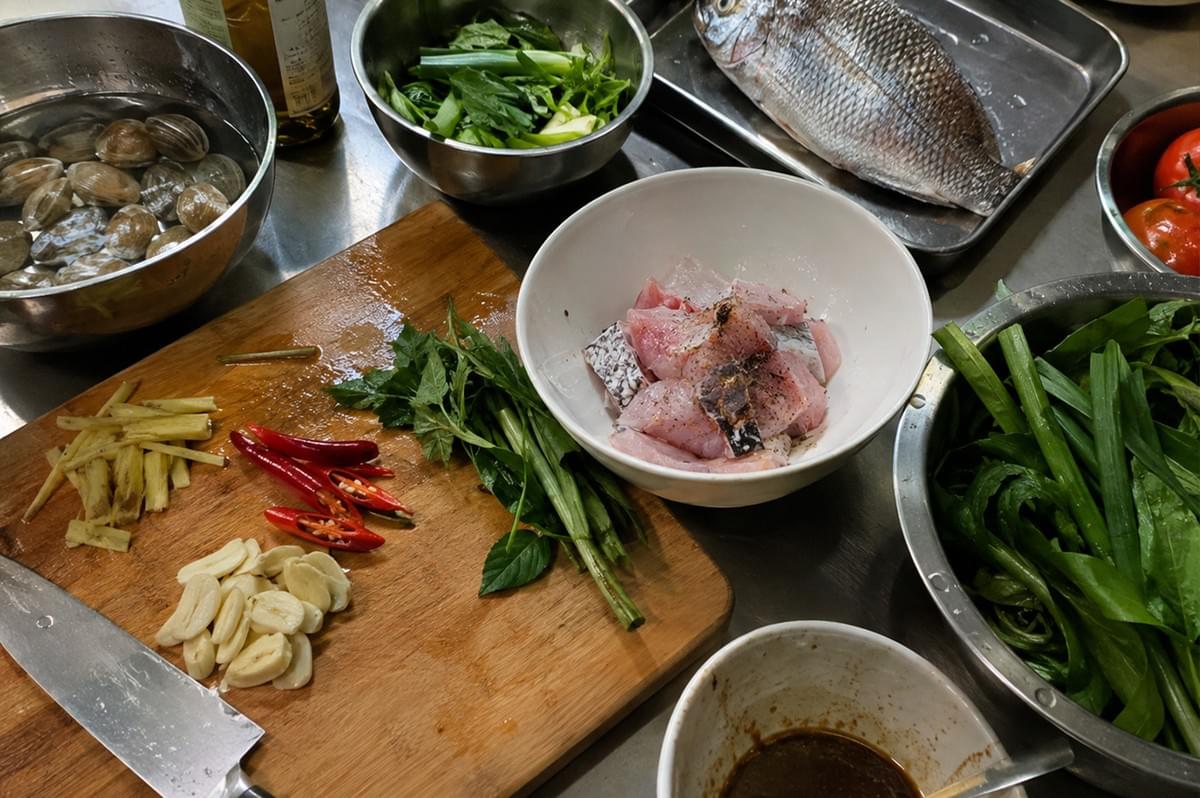
Cooking has always been about respecting ingredients. Before adding anything extra to a dish, I believe we should first understand what the ingredient already has to offer. Every vegetable, piece of seafood, cut of meat, and grain carries its own story, texture, and natural character. My role as a chef is not to overpower those qualities, but to bring them forward.
In Singapore, we are fortunate to have access to incredible ingredients from both our local markets and neighbouring regions. From fresh seafood at wet markets to seasonal produce from around Asia, our kitchens are filled with possibilities. The challenge is learning how to highlight natural flavours instead of masking them.
One of the first techniques I rely on is proper preparation. Great cooking often begins before the heat reaches the pan. Taking time to clean, cut, season, and prepare ingredients correctly can completely change the final result. A fresh fish, for example, does not need heavy seasoning. When handled properly, a simple touch of salt and careful cooking can reveal sweetness and depth.
I often tell young chefs that timing is an ingredient. Heat, resting time, and the moment you add seasoning all influence flavour. A piece of meat that is cooked too quickly may lose its tenderness, while vegetables cooked for too long can lose their natural sweetness. Understanding timing allows us to preserve the personality of each ingredient.
Another technique I love is building flavour through layering rather than adding more. Many home cooks think stronger flavour comes from using more sauces or seasonings, but balance is usually more powerful. A good stock, a well-made sauce, or a carefully prepared base can create complexity while allowing the main ingredient to shine.
This approach is especially important in Singaporean cooking, where many traditional dishes rely on harmony between different flavours. Our food culture celebrates the balance of sweet, salty, sour, spicy, and umami. The goal is not for one flavour to dominate, but for each element to support the other.
I also believe in using simple cooking techniques with precision. Roasting, grilling, steaming, and slow cooking each bring out different qualities. For example, roasting can develop sweetness through caramelisation, while steaming helps preserve delicate textures and natural aromas.
For home cooks, one of the easiest ways to improve flavour is to focus on ingredient quality. Choosing seasonal produce, buying fresh seafood, and understanding where ingredients come from can make a noticeable difference. The principles of cooking with fresh ingredients are also supported by organisations such as the , which highlights the importance of sustainable food practices and responsible ingredient choices.
In my kitchen, I always encourage chefs to taste throughout the cooking process. Flavour changes at every stage. A sauce that tastes balanced before reducing may become too strong after cooking. A seasoning that seems perfect at the start may need adjustment at the end. Tasting helps us make decisions based on the dish itself, not just the recipe.
Cooking is not about following rules without understanding. Recipes are important guides, but instinct comes from experience. When you learn how ingredients react, you become more confident and creative in the kitchen.
For me, bringing out natural flavour is about finding the beauty that is already there. It is about patience, technique, and giving ingredients the attention they deserve. Whether you are a professional chef or cooking dinner at home in Singapore, the best dishes often come from doing less, but doing it with greater care.
To explore more about my approach to creating balanced dishes with thoughtful techniques, continue with my article on how chefs build flavour in layers.
