

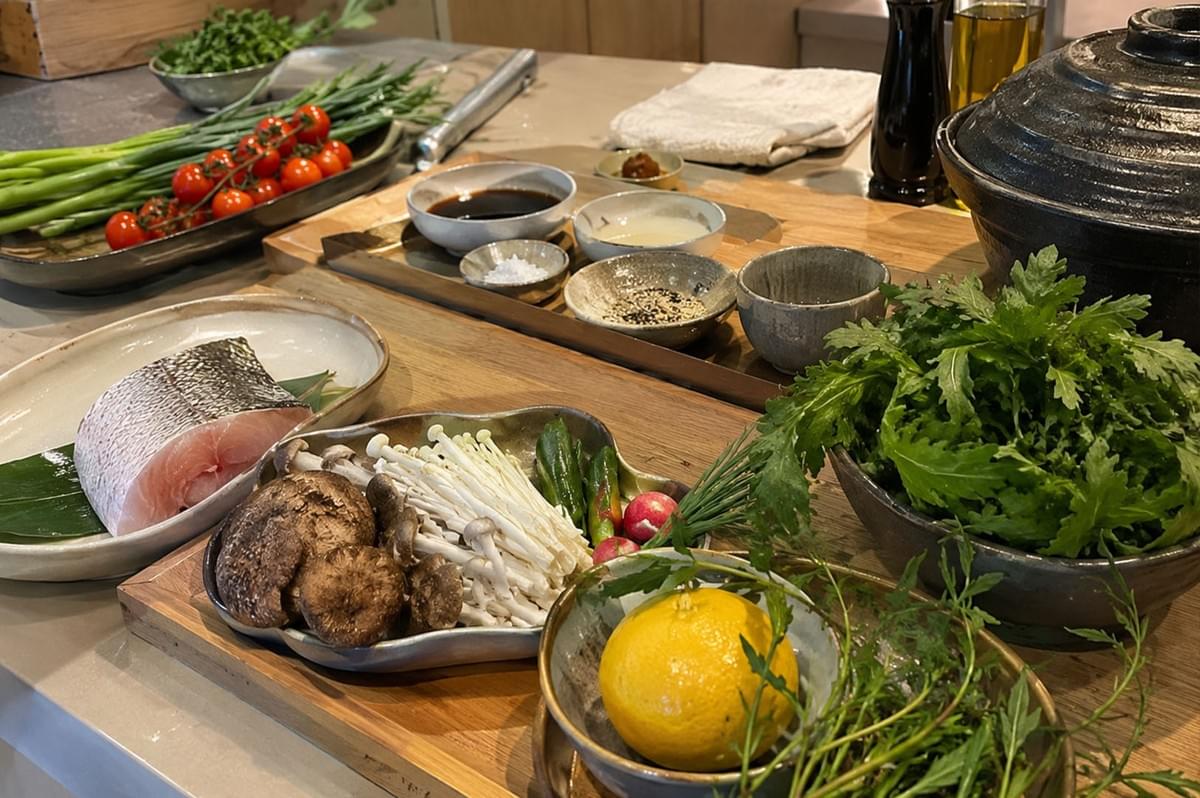
Cooking is not only about combining ingredients. It is about understanding how each element speaks to another. In my kitchen, building flavor in layers is one of the most important principles I teach my team. A memorable dish should reveal itself slowly, with different tastes and textures appearing with every bite.
For many home cooks in Singapore, flavor is often associated with strong seasoning, but true depth comes from balance, timing, and technique. Whether you are preparing a simple family meal or creating a dish for an omakase experience, every step has a purpose.
The Foundation Begins Before the First Bite
Every great dish starts with a foundation. This could be a carefully prepared stock, a well-seasoned protein, or the natural sweetness of fresh vegetables. The first layer creates the identity of the dish.
In Japanese cuisine, we often focus on respecting the ingredient before adding complexity. A piece of fish does not need to be hidden behind many flavors. Instead, the goal is to enhance its natural qualities through preparation, seasoning, and cooking methods.
The first layer is about understanding the ingredient. When you know what makes an ingredient special, you can decide what flavors will support it rather than overpower it.
Creating Depth Through Different Techniques
The second layer comes from technique. The same ingredient can tell a completely different story depending on how it is prepared.
For example, a simple piece of corn can become sweeter through grilling because the heat develops natural sugars. Mushrooms can become more intense when roasted because their moisture reduces and their umami becomes concentrated.
In professional kitchens, chefs think about how each technique contributes a new dimension. Grilling adds smokiness, fermentation adds complexity, and slow cooking creates richness.
This idea applies to Singaporean home cooking as well. A curry becomes more memorable when spices are toasted before cooking. A soup becomes more comforting when ingredients are slowly simmered to extract deeper flavors.
The Importance of Seasoning in Stages
One common mistake is adding all seasoning at one time. Flavor needs time to develop.
When I prepare a dish, I consider seasoning throughout the cooking process. Salt added early can help ingredients absorb flavor. A finishing touch of citrus, herbs, or seasoning at the end can brighten the entire dish.
Great chefs do not simply season food. They guide the flavor journey.
This is why professional kitchens pay attention to every detail, from the preparation of ingredients to the final presentation. Each decision creates a small layer that contributes to the complete experience.
The principles of flavor layering are also explored in culinary education resources such as those shared by the , where understanding ingredients and balance plays an important role in creating thoughtful meals.
Texture Is Another Layer of Flavor
Flavor is not only about taste. Texture creates another level of enjoyment.
A dish becomes exciting when different sensations work together. A crispy element beside something creamy creates contrast. A tender ingredient paired with something fresh creates balance.
When I design dishes, I always ask myself: What should the guest experience in the first few seconds, and what should remain after the final bite?
The answer often comes from combining different textures, temperatures, and aromas.
Bringing Layered Cooking Into Your Home
You do not need a professional kitchen to build flavors like a chef. Start by paying attention to small improvements.
Toast your spices before adding liquids. Make your sauces slowly. Taste throughout the cooking process. Choose quality ingredients and allow them to shine.
For Singaporean home cooks, local ingredients already provide an incredible foundation. Fresh seafood, tropical fruits, aromatic herbs, and traditional spices all carry their own stories. The chef’s role is to bring those stories together.
Cooking with layers means creating a dish that feels complete, thoughtful, and memorable.
Behind every plate I create, there is a balance between simplicity and detail. The best dishes are not always the ones with the most ingredients. They are the ones where every element has a reason to be there.
To explore another example of how Japanese techniques highlight natural ingredients, discover my approach through Shirasu Uni Cold Somen, an omakase-inspired dish that celebrates harmony and precision.
