

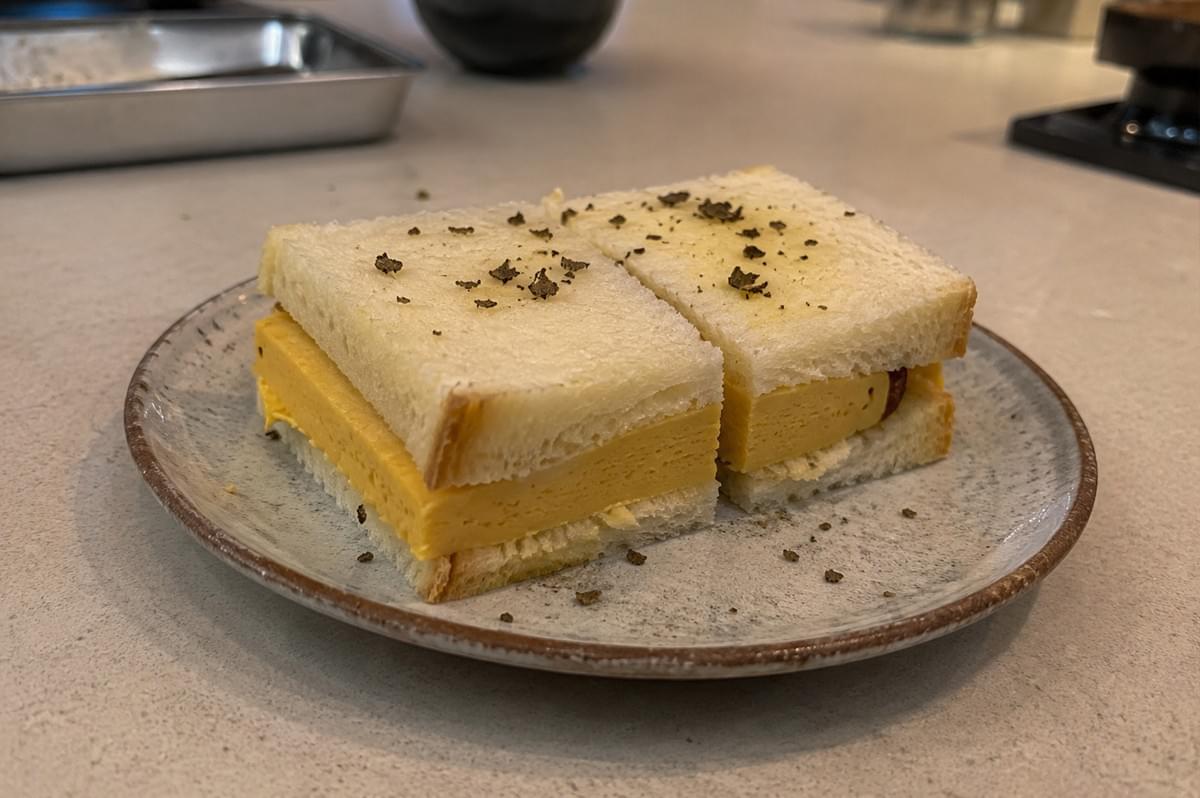
Opening Scene
Walking into Chef Masa’s kitchen is like stepping into a quiet morning before the city fully wakes. The light is softer. The pace is slower. A tamagoyaki pan rests over low heat, barely whispering as thin layers of egg are folded upon themselves. The aroma is subtle. Egg, yes, but also something deeper. A faint note of dashi, grounding the sweetness. And then, almost unexpectedly, a trace of truffle rising gently through the warmth.
We gather around the counter, watching the motion repeat. Pour. Set. Fold. Wait. This is how the Tamago Sando Elevated begins. Not as a sandwich, but as a meditation on patience.
Chef Masa often reminds us that simplicity demands more discipline than complexity.
The Origin
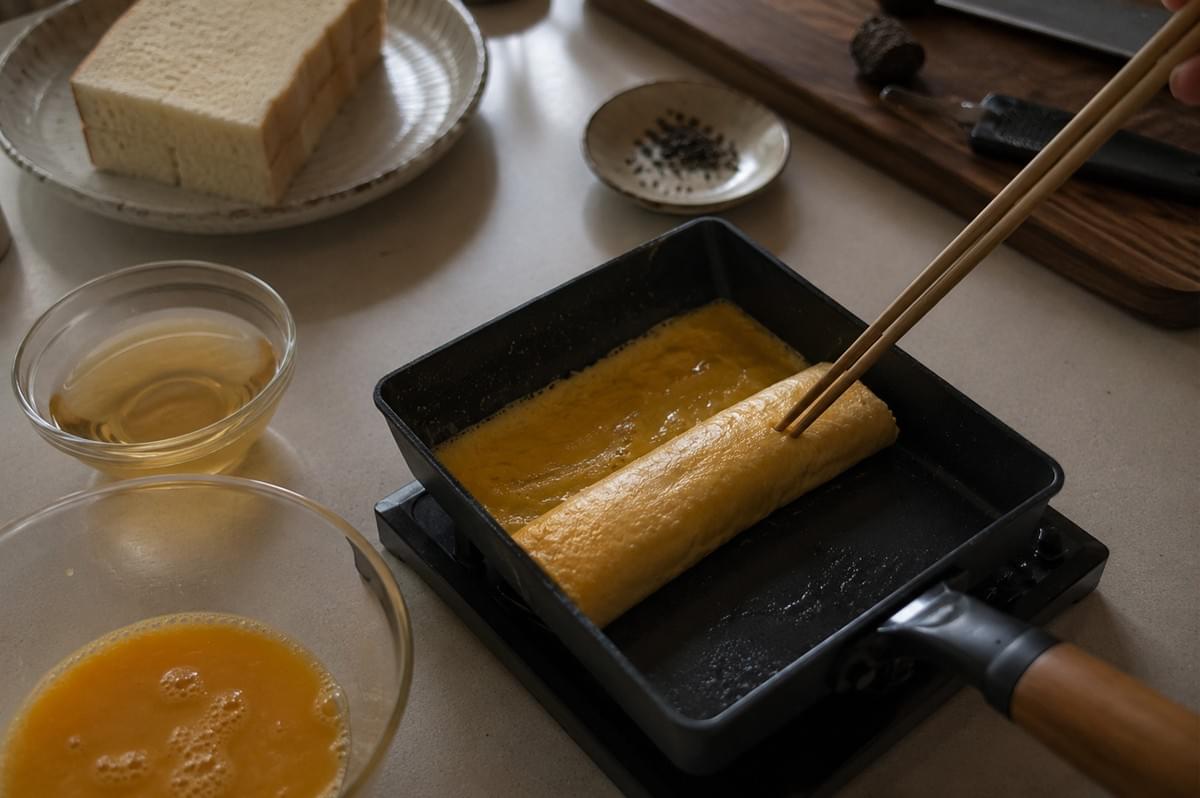
The story of this dish begins with Chef Masa reflecting on one of Japan’s most familiar comforts. The tamago sando is everywhere. Soft bread. Creamy egg. Gentle sweetness. But he wondered what would happen if the same dish were treated with the same care as an omakase course—almost like a personal singapore omakase to try, reimagined in sandwich form.
Dashi became the first step. It replaced the usual seasoning, bringing quiet umami to the eggs. Then came truffle, introduced not for luxury, but for depth. A small amount, carefully measured, allowed the aroma to linger without overwhelming.
Each iteration was a quiet revelation. Too much truffle distracted. Too little dashi left the egg flat. Slowly, through repetition, the balance revealed itself. The sandwich remained familiar, yet entirely transformed.
Flavor Philosophy and Techniques
At the heart of this recipe is
elevation through restraint.
Chef Masa employs the traditional tamagoyaki technique, layering thin sheets of egg to create both texture and structure. The dashi is folded into the egg mixture, allowing flavor to distribute evenly. The truffle is added sparingly at the end, preserving its aroma.
The bread plays a quiet but essential role. Soft, slightly sweet, it frames the egg without competing. This juxtaposition of textures, pillowy bread and delicate layered egg, defines the experience.
Plating, color, and aroma are not afterthoughts. They are part of the storytelling.
The Recipe
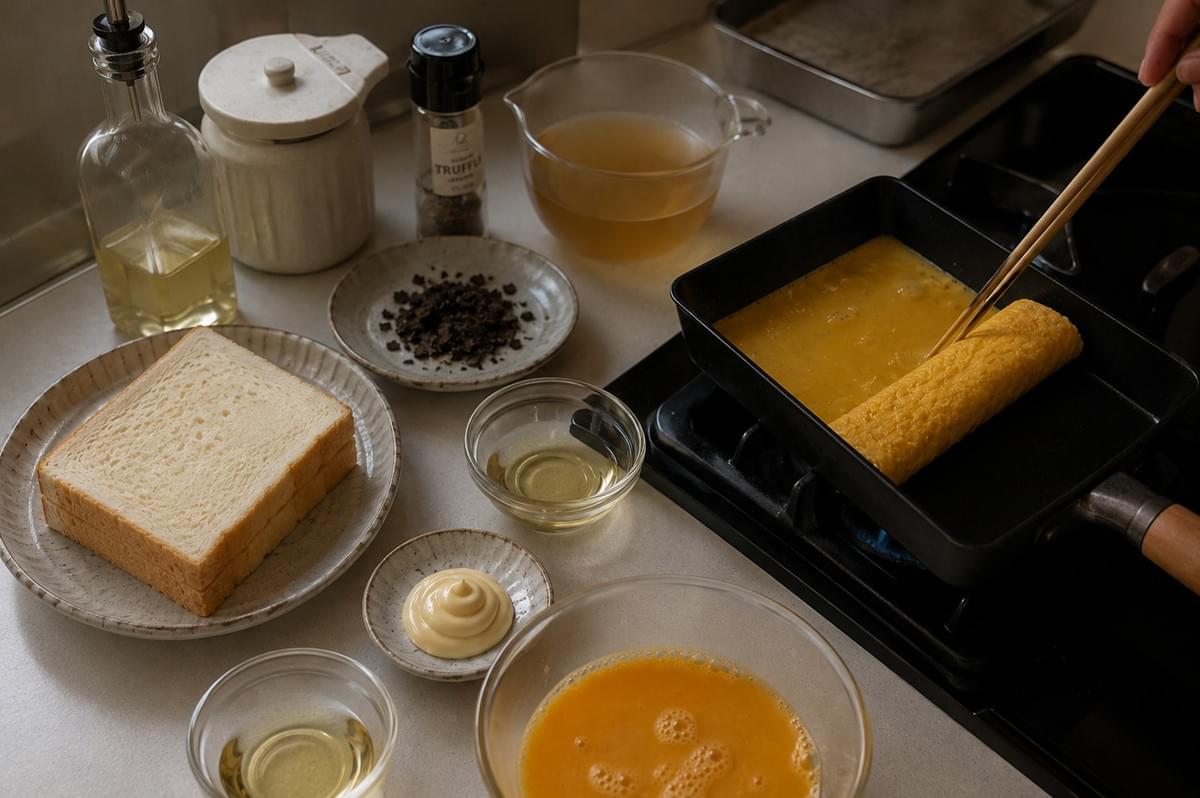
Ingredients
Tamagoyaki
- 4 large eggs
- 2 tbsp dashi
- 1 tsp sugar
- ½ tsp soy sauce
- Neutral oil
Assembly
- 2 slices Japanese milk bread
- 1 tsp mayonnaise
- Few drops truffle oil or finely shaved truffle
- Pinch of salt
Instructions
In a bowl, whisk eggs gently with dashi, sugar, and soy sauce. Avoid incorporating too much air.
- Heat a tamagoyaki pan or small nonstick pan over low heat and lightly oil it.
- Pour a thin layer of egg mixture into the pan. Once just set, roll it gently to one side.
- Add another thin layer, lifting the rolled egg to allow the mixture to flow underneath. Roll again.
- Repeat until all the egg mixture is used, forming a layered omelette.
- Remove from heat and rest briefly. Slice into thick portions.
- Lightly toast or keep bread soft, depending on preference. Spread a thin layer of mayonnaise.
- Place tamagoyaki between bread slices. Add a few drops of truffle oil or shaved truffle.
- Press gently and slice cleanly.
- Kenji’s Note:
The egg should never brown. Color is a sign of haste. Patience preserves both flavor and texture.
Tasting Notes
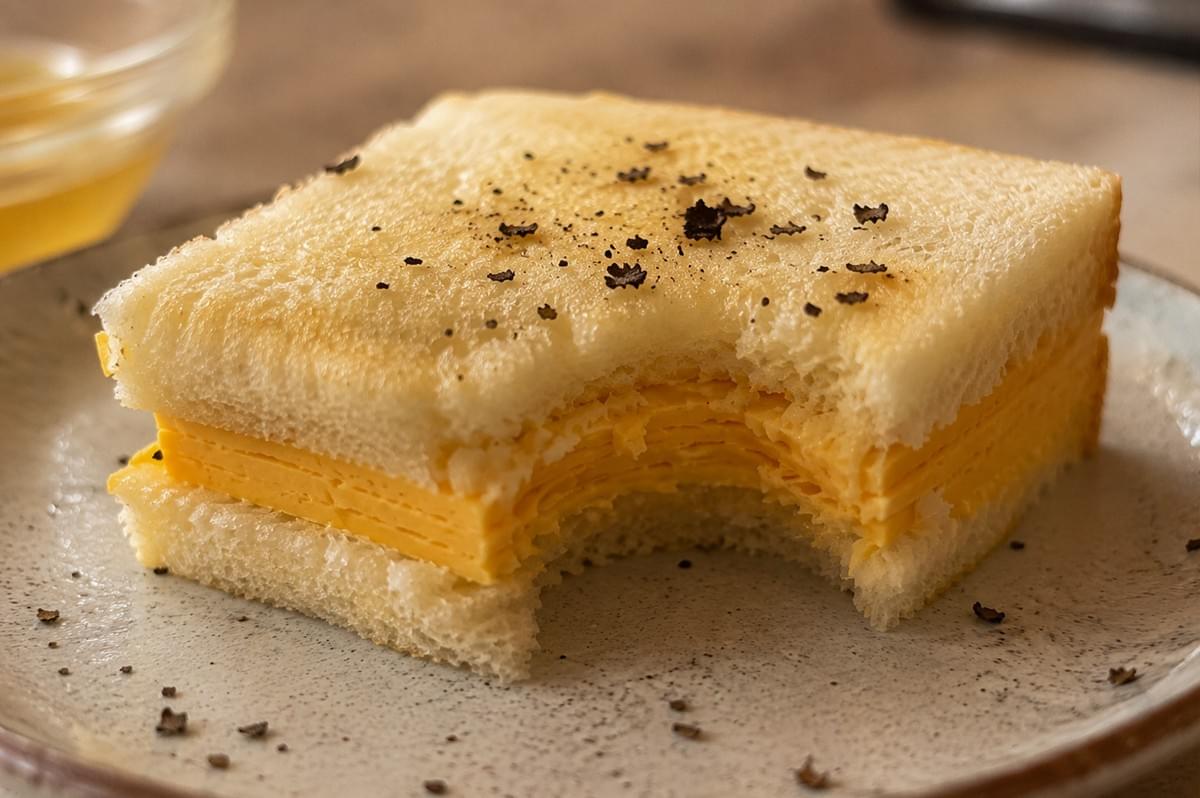
The first bite of this dish is a revelation. The bread yields softly, giving way to layers of egg that feel almost weightless. The dashi emerges quietly, adding depth without announcing itself. Then the truffle appears, not as dominance, but as a lingering aroma that stays just long enough.
The texture is gentle, almost fleeting, yet complete. What makes Tamago Sando Elevated extraordinary is not just its flavor, but its multi-sensory subtlety. It asks the diner to slow down.
Bringing This Dish Home
While the
Tamago Sando Elevated is refined enough for a chef’s table, it is entirely approachable at home.
Use the freshest eggs available for best texture
- Substitute truffle oil with a small amount of butter for a softer finish
- Practice the rolling technique slowly to build confidence
- Keep heat low to maintain control
- Slice with a sharp knife for clean presentation
- Cooking this dish at home allows you to experience Chef Masa’s philosophy firsthand. Simplicity is never simple.
Behind the Scenes: Chef Masa’s Insights
Chef Masa often says,
“The simplest dishes reveal the most about the cook.”
In our kitchen, tamagoyaki is never rushed. Each layer is given time. Each fold is deliberate. This dish is also a lesson in restraint. Nothing is added without purpose. Nothing is removed without reason.
The elegance lies in precision, timing, and respect for the ingredient’s natural character.
Continue the Journey
If the quiet precision and comforting simplicity of this dish resonate with you, we invite you to explore another expression of everyday refinement from our kitchen:
Different form. The same respect for comfort, balance, and thoughtful cooking.
