

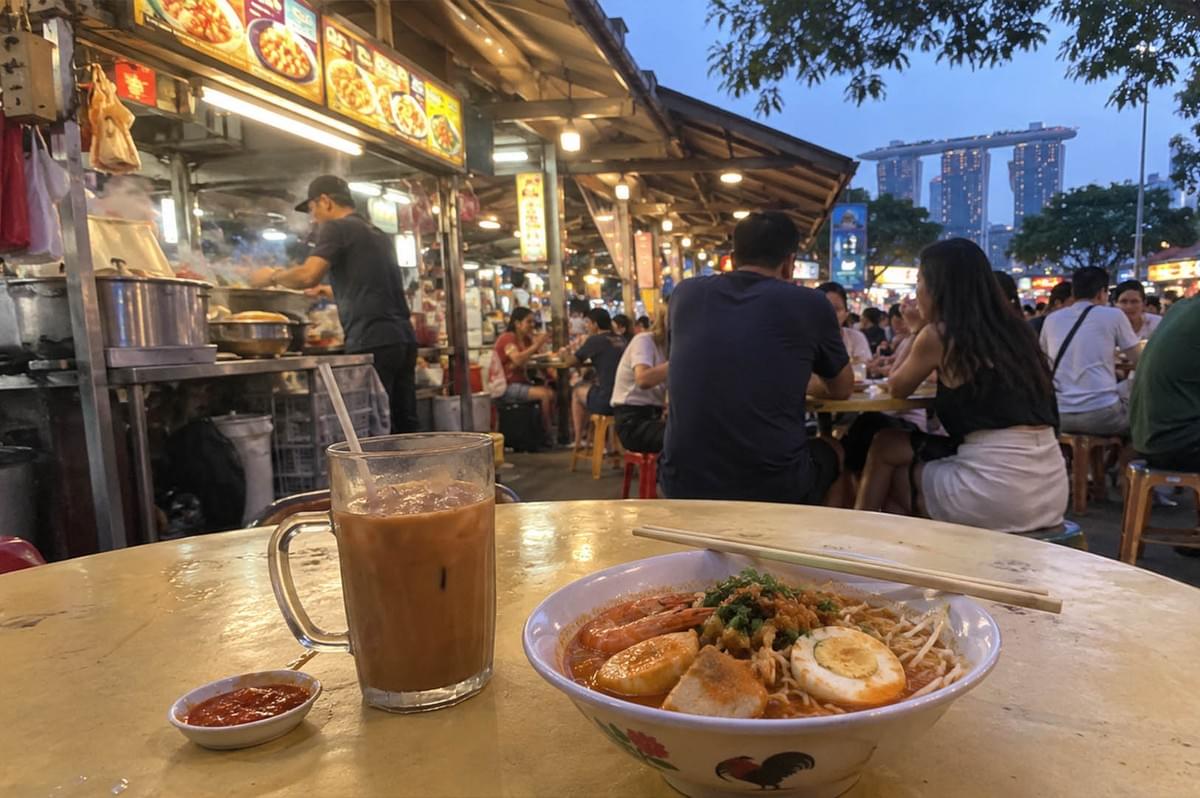
Travel has always been more than a chance for me to see a new place. For a chef, it is an opportunity to taste, observe and understand how people express their culture through food. Some of the most important lessons I have learned in the kitchen did not come from cookbooks or formal training. They came from wandering through markets, sitting at small family-run restaurants and watching street vendors prepare dishes they have made thousands of times.
One thing travel has taught me is that great food does not need to be complicated. In Japan, I have always admired the attention given to individual ingredients. A beautiful piece of fish, seasonal vegetables or a carefully prepared broth can carry an entire meal when treated with respect.
Elsewhere in Asia, I have been inspired by a completely different kind of energy. Street food stalls often build flavour through layers. Something might be sweet, salty, sour, spicy and deeply savoury at the same time. Yet when the balance is right, none of those flavours feels overwhelming.
That philosophy has stayed with me.
When I return to Singapore after travelling, I rarely try to reproduce a dish exactly as I tasted it abroad. Instead, I ask myself what made that experience memorable. Was it the acidity? The texture? The smoky aroma from cooking over charcoal? The freshness of herbs added at the final moment?
Those questions are much more interesting to me than simply copying a recipe.
Singapore itself is an incredible place to cook because our food culture already reflects generations of travel, migration and cultural exchange. Chinese, Malay, Indian, Peranakan and many other influences exist side by side. For a chef, that creates endless possibilities.
Travel has encouraged me to look at familiar Singaporean ingredients with fresh eyes. Sambal can become more than a condiment. Calamansi can provide the brightness that another cuisine might achieve with lemon or vinegar. Gula Melaka can introduce sweetness while also bringing caramel and smoky notes.
The goal is never fusion simply for the sake of being different. There should always be a reason behind combining ideas.
I believe the best dishes begin with curiosity and respect. When you encounter another food culture, you first need to understand what makes its cooking meaningful before deciding how those ideas might influence your own kitchen.
That applies to home cooks too. You do not need to travel constantly to become more adventurous. Visit a neighbourhood you rarely explore. Try an unfamiliar ingredient. Speak to a market vendor. Order something you have never tasted before.
Every new flavour becomes part of your culinary vocabulary.
Travel has ultimately taught me that cooking is never static. Every place, meal and conversation can leave something behind. My cooking today is a collection of those experiences, filtered through the ingredients, flavours and memories that feel like home.
For another look at the ideas that shape my approach in the kitchen, read My Go-To Techniques for Bringing Out Natural Flavour.
