

Opening Scene
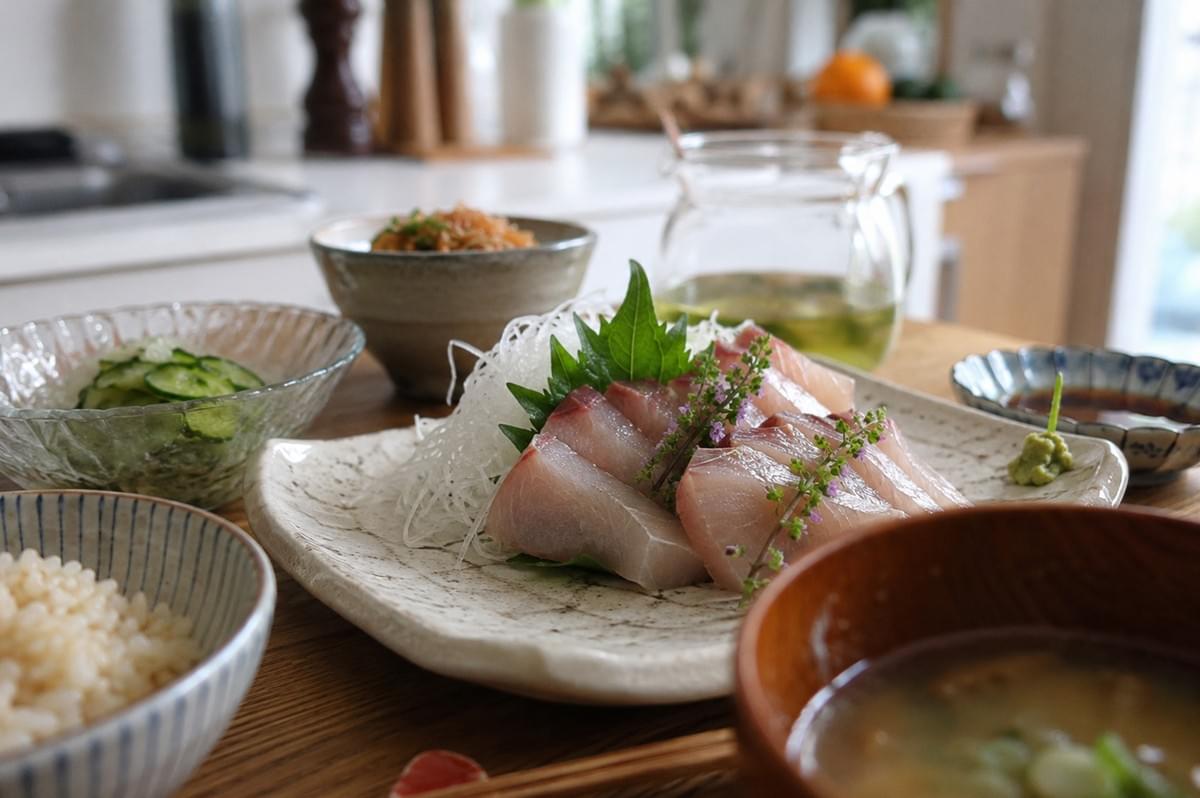
Walking into my kitchen is like stepping into a season before it has been spoken aloud.
Some mornings, it arrives as the fragrance of young herbs. Other mornings, it is in the weight of a fish, the firmness of a root vegetable, or the brightness of citrus resting quietly on the counter. The season does not need to announce itself. It is already present in the ingredients.
Before we decide what to cook, we look. We touch. We smell. We listen.
At Sushi Masa by Ki-setsu, seasonality is not simply a theme. It is the beginning of every decision. A recipe may begin with an idea, but the ingredient must have the final word.
If you’re curious how this same respect for seasonal ingredients shows up in the wider dining scene, this non-influencer’s guide to the best Singapore omakase experiences that highlight seasonality is a great companion.
Japanese cooking has always taught me that beauty is not created by force. It is revealed through restraint, precision, and respect.
The Origin
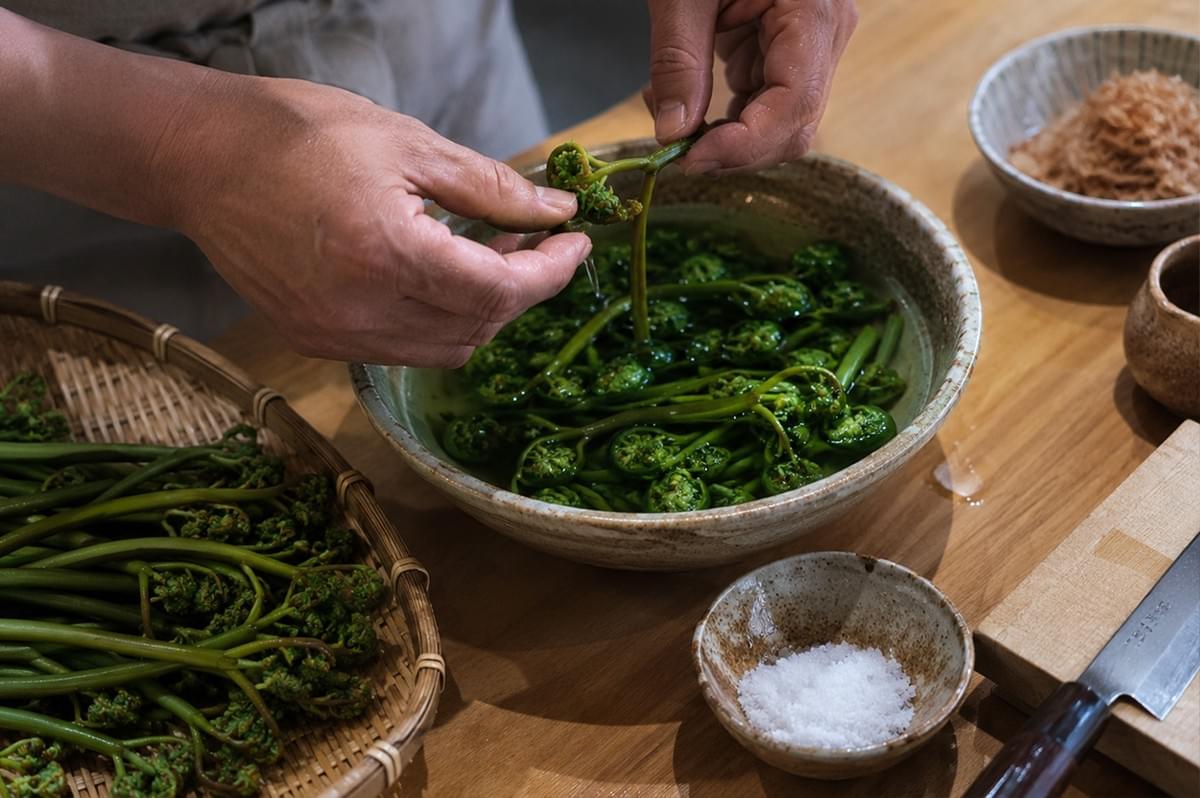
The story of this philosophy begins long before any single recipe.
When I first began cooking, I believed technique was the center of everything. Knife work. Heat control. Timing. These things matter deeply. But over time, I learned that technique alone is not enough. A chef must understand when to act and when to step back.
The seasons became my greatest teacher.
Spring taught me to value bitterness and youth. Summer taught me clarity. Autumn taught me depth. Winter taught me patience. Each season asks something different from the cook.
I do not believe a recipe should be frozen in one form forever. It should breathe. It should change when the weather changes, when the fish changes, when the vegetables arrive differently from the market. Each iteration is a quiet revelation.
A dish made in spring should not feel the same as one made in winter. Even if the structure is similar, the emotion should be different.
That is what I mean when I say fresh, seasonal, Japanese. It is not a slogan. It is a way of paying attention.
Flavor Philosophy & Techniques
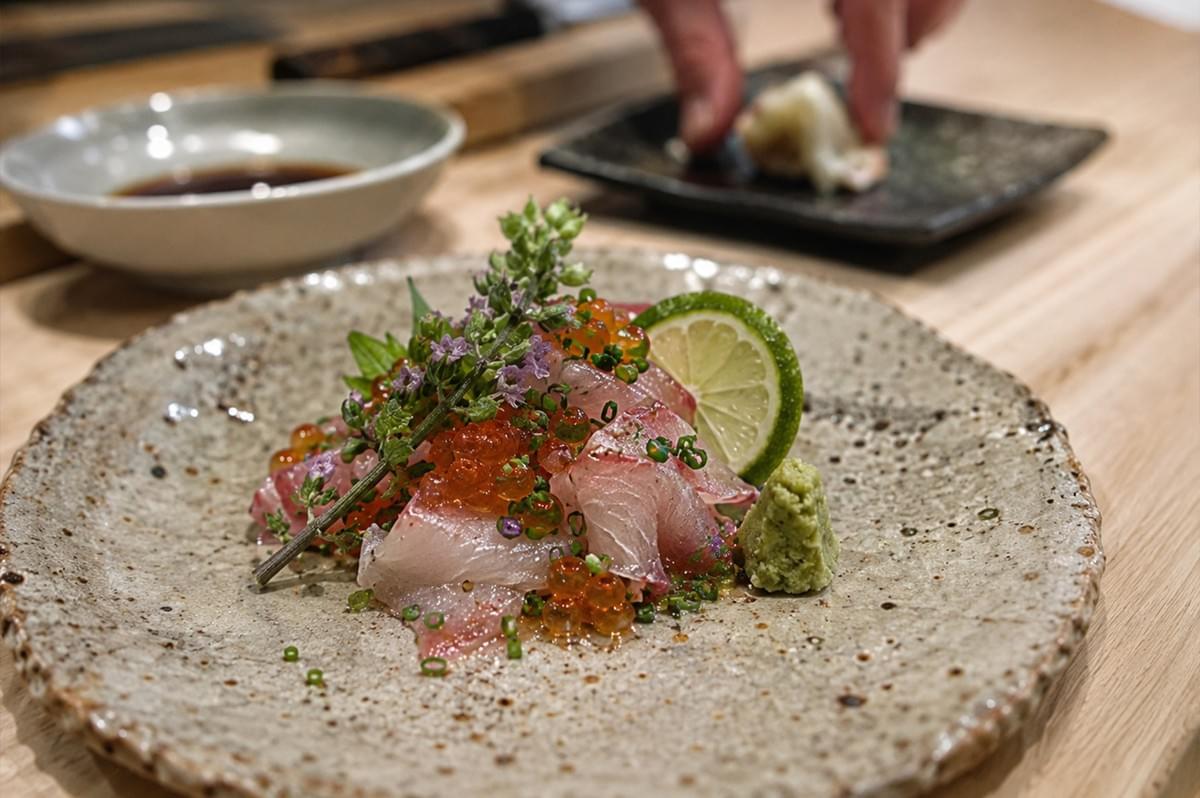
At the heart of this approach is seasonality and restraint.
I begin with the ingredient, not the technique. Before I decide whether to grill, steam, cure, simmer, or serve something raw, I ask what the ingredient is already offering.
To learn more, click here.
Is it delicate. Is it sweet. Is it fatty. Is it mineral. Is it quiet.
Only then do we cook.
In spring, I prefer lighter preparations. Young vegetables need very little. A gentle blanch, a clear dashi, a touch of citrus. The bitterness of spring should not be hidden because that bitterness tells the truth of the season.
In summer, I look for clarity. Cold noodles, chilled broths, shiso, cucumber, tomato, citrus, and clean finishes. Heavy flavors can feel tiring in the heat. Summer cooking should refresh the body while still satisfying the spirit.
In autumn, aroma becomes important. Mushrooms, chestnuts, grilled fish, sesame, and smoke begin to appear more often. The food becomes deeper, but it should not become heavy.
In winter, I allow more patience into the kitchen. Miso, sake, simmered daikon, warm broths, and slow-cooked elements bring comfort. Winter food should feel grounding, but never dull.
Plating, color, and aroma are not afterthoughts. They are part of the storytelling. A spring plate should feel open. A summer dish should feel clean. Autumn should feel fragrant. Winter should feel calm.
The elegance lies in precision, timing, and respect for what the season allows.
Seasonal Ingredients I Return To
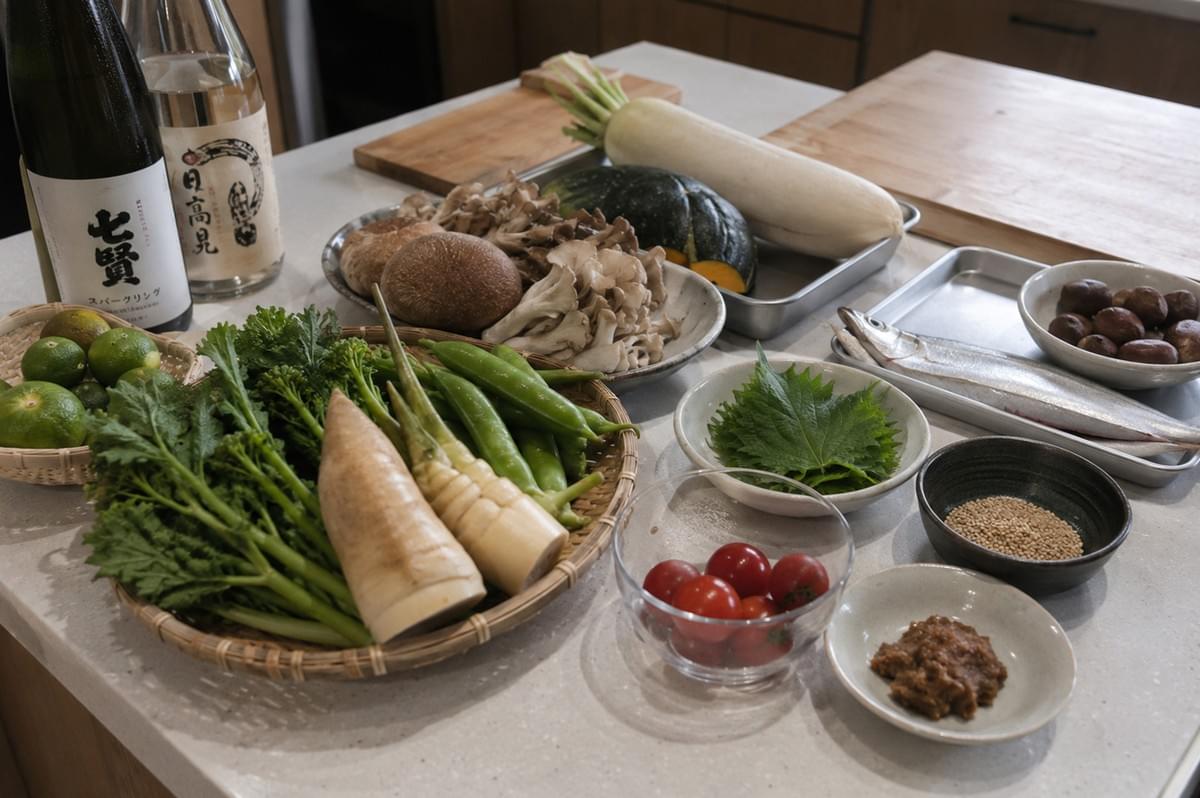
Spring
- Young bamboo shoots
- Nanohana or tender greens
- Fresh peas
- Light dashi
- Sudachi or young citrus
Summer
- Cold soba or somen
- Cucumber
- Shiso
- Tomatoes
- Yuzu kosho or ponzu
Autumn
- Mushrooms
- Chestnuts
- Sanma or richer seasonal fish
- Roasted squash
- Sesame or miso-based sauces
Winter
- Daikon
- Kabocha
- Miso
- Sake
- Slow-simmered broths
How I Let the Seasons Guide a Recipe
1. Start with what is fresh today.
I do not begin by forcing an ingredient into a fixed idea. I begin by observing what has arrived in the kitchen.
2. Understand the season’s mood.
Spring wants lightness. Summer wants clarity. Autumn wants aroma. Winter wants warmth. This becomes the emotional direction of the dish.
3. Choose one main technique.
Too many techniques can confuse the ingredient. I choose the method that reveals the most with the least interference.
4. Season gradually.
Soy, miso, mirin, sake, salt, and citrus must support the ingredient. They should never erase it.
5. Remove what is unnecessary.
I often finish a dish by taking something away. A garnish. A sauce. A final seasoning. If it does not clarify the dish, it does not belong.
6. Serve at the right moment.
Temperature is part of flavor. A chilled summer dish must feel truly cool. A winter broth must arrive with quiet warmth.
Chef’s Insight: A recipe should guide your hand, but the season should guide your judgment.
Bringing This Philosophy Home
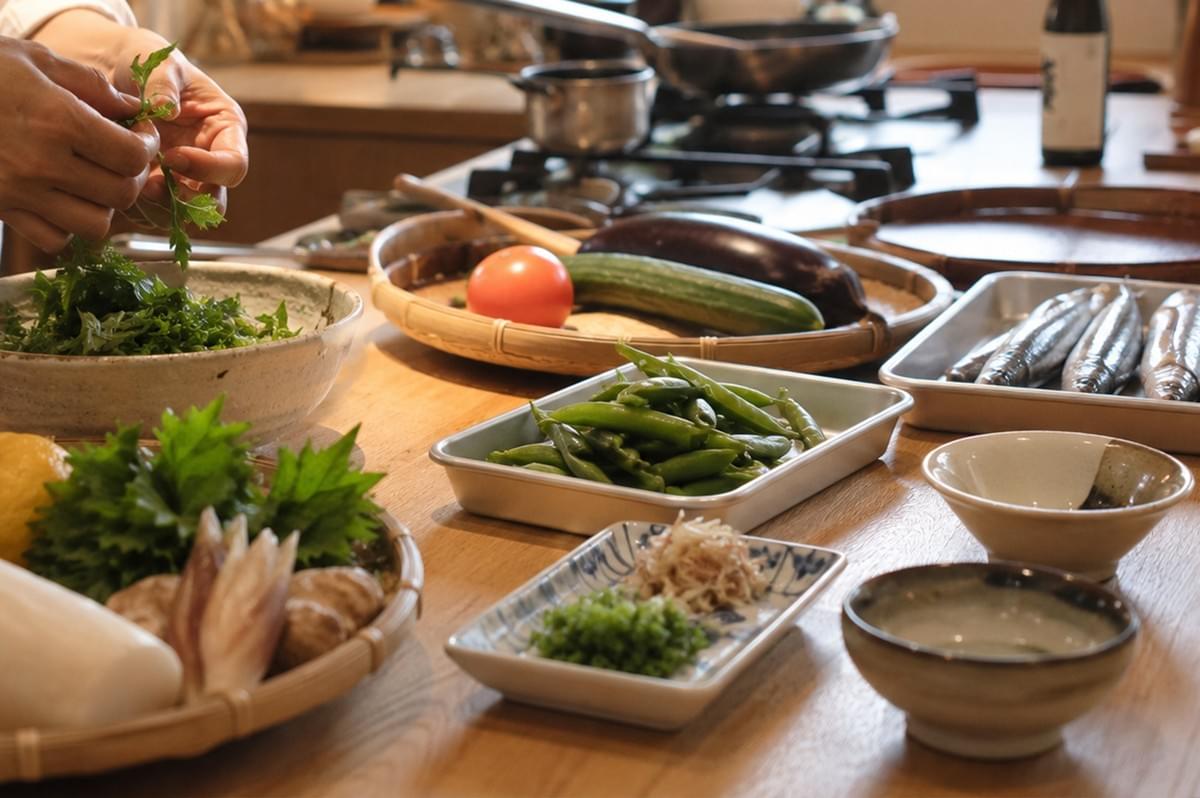
While seasonal Japanese cooking is refined enough for a chef’s table, it is entirely approachable in a home kitchen.
- Shop with flexibility rather than a fixed list
- Choose vegetables and seafood that look alive and vibrant
- Use citrus according to the season, such as sudachi, yuzu, lemon, or lime
- Keep sauces simple so ingredients remain clear
- Let dashi, miso, soy sauce, and mirin support rather than dominate
- Serve food at the temperature that best suits the season
- In Singapore, pay close attention to freshness and storage, especially for herbs, seafood, and delicate greens
Cooking this way at home allows you to experience my philosophy of precision, restraint, and respect firsthand.
Behind the Scenes: Chef Masa’s Insights
I often say, “The season is already cooking before we begin.”
In our kitchen, this belief shapes every morning. We do not begin with certainty. We begin with questions. What does the fish want today. What does the weather suggest. Which ingredient feels most alive. Which preparation would show the least interference.
This is the quiet discipline behind seasonal cooking. It asks the chef to remain humble.
Experience matters, but the ingredient belongs to today. It carries today’s condition, today’s weather, today’s freshness. A good cook must respond to that.
Seasonality reminds us that cooking is not control alone. It is cooperation.
The elegance lies in precision, timing, and respect. When we follow the season closely, every recipe becomes more than instruction. It becomes a record of a moment.
Continue the Journey
For another look into how Chef Masa builds a menu from nothing through daily experimentation, seasonal Japanese cooking, and quiet kitchen discipline, read more here.
